The biggest myth in cleansing is that lather equals clean. Shampoo-foam levels of suds are a side effect of sulfates, not a measure of efficacy — and they are exactly what strips the skin barrier and sends customers looking for a replacement brand. So when you evaluate a facial cleanser manufacturer in 2026, the conversation should start with surfactant chemistry, not with the bottle. This guide walks through surfactant families, the double-cleanse ritual that drives format choice, and the brief that separates a formulation partner from a filler.
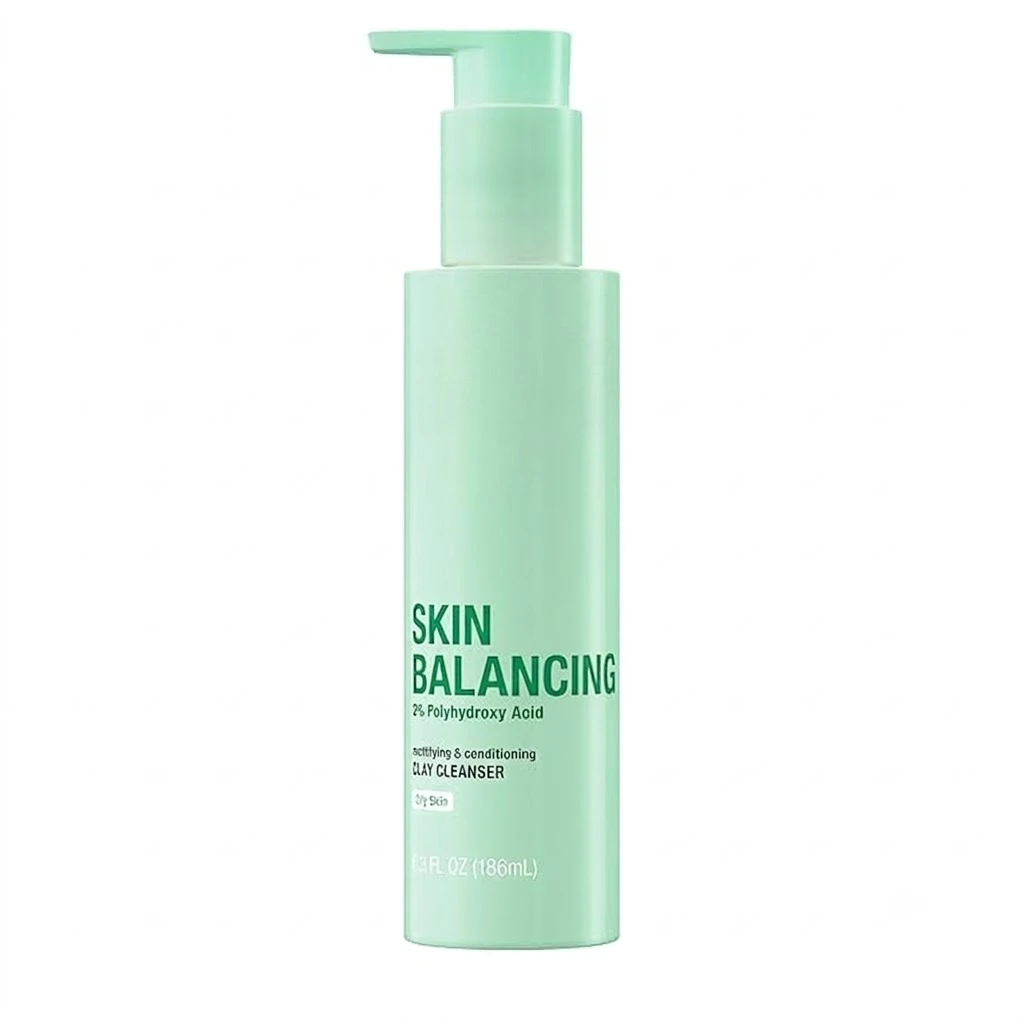
The foam trap: why more lather isn’t more clean
Surfactants clean by having a water-loving head and an oil-loving tail that lifts sebum and rinse away. The tail’s structure decides how harsh it feels. The old workhorse, sodium lauryl sulfate (SLS), is a powerful degreaser that also dissolves the lipids holding your barrier together. Modern gentle gel cleanser OEM work instead swaps SLS for milder tails — and accepts less foam as the price of comfort. A manufacturer that leads with “rich lather” is optimizing for the shower experience of 2005; one that leads with “barrier-respecting mildness” is optimizing for retention.
Mapping surfactant families
- Sulfates (SLS/SLES): cheap, high foam, high stripping. Acceptable only in rinse-off where the brief explicitly wants degreasing; rarely right for facial SKUs.
- Amino-acid surfactants (e.g. sodium cocoyl glycinate): the “soft foam” class — mild, skin-compatible, premium positioning. The workhorse of Korean-style gel cleansers.
- Glucosides (e.g. decyl glucoside): plant-derived, ultra-mild, low foam; often blended because alone they can feel thin.
- Betaines (e.g. cocamidopropyl betaine): not a primary cleanser but a foam-booster and conditioner that takes the edge off harsher surfactants.
A capable facial cleanser manufacturer proposes a blend — typically an amino-acid or glucoside base rounded out with a betaine — and can explain the why. “We use sodium cocoyl glycinate plus cocamidopropyl betaine at 11%” is a brief you can defend; “our gentle formula” is not.
The double-cleanse ritual and what it means for format
In many markets the routine is two steps: an oil or balm to dissolve SPF and makeup, then a water-based gel or cream to finish. That ritual dictates format, and format dictates which manufacturer fits:
- Cleansing balm / oil: an anhydrous system (no water) that needs emulsifiers to rinse clean. Different equipment and stability profile from a gel.
- Gel / cream cleanser: the aqueous surfactant system above.
- Micellar water: a low-viscosity surfactant solution; deceptively simple but sensitive to residue feel.
If your brand sells both steps, ask whether the private label face cleanser partner can formulate both phases or only one. A partner locked to aqueous gels cannot give you a coherent double-cleanse line.
Formulation guardrails your OEM should respect
Beyond the surfactant choice, the brief should pin down: pH (facial cleansers sit around 5.5–6.5 to respect the acid mantle), preservative system suited to rinse-off but still robust, and fragrance policy (many “sensitive” lines go fragrance-free or use only leave-on-safe levels). Request the microbial challenge test and the pH certificate — these are the documents that separate a cosmetic from a gamble.
Packaging formats that change the experience
Cleansers live or die on delivery. A pump that leaks in transit, a tube liner that reacts with the surfactant, or a jar that encourages contamination all undermine a good formula. Ask the manufacturer about compatibility testing between the formula and the closure, and about drop-dose vs. flip-top vs. pump for the usage ritual you want. Packaging engineering is where many “gentle” launches quietly fail.
Briefing a facial cleanser manufacturer: a worked example
A credible brief reads: “Gel cleanser, amino-acid base, pH 5.8, fragrance-free, for daily use on normal-to-combination skin, 150 ml pump, target retail under $22.” That single paragraph lets the OEM return two or three candidates that differ in foam density and after-feel rather than in random guesses. The more specific the brief, the less reformulation drift you absorb later.
Frequently asked questions
Q: What is a realistic MOQ for a private label face cleanser?
A: Pilot runs often start in the low hundreds to a few thousand units; full production scales to tens of thousands. Confirm sampling and production minimums separately in writing.
Q: Can a cleanser manufacturer help with claims and compliance?
A: Reputable manufacturers supply COA, specifications, and stability data, and formulate within claim boundaries. The legal responsibility for final market claims stays with the brand and its local regulatory review.
Q: How long does custom cleanser development take?
A: Sampling runs a few weeks; full stability, pH, and compatibility testing can add more. Build lead time into the launch calendar rather than compressing it.
Q: Should I choose OEM or ODM for my first cleanser?
A: If you have a clear formula and brand identity, OEM fits. If you need concept-to-product support, ODM reduces risk and speeds entry — common for first-time founders.
Conclusion
The right facial cleanser manufacturer treats foam as a side effect, not a goal, and starts the conversation at the surfactant level. Prioritize partners who can name their blend and defend the pH, brief by ritual and skin type, and treat packaging as part of the formula — not an afterthought.
Ready to develop your private label cleanser? Request a formulation brief and MOQ quote from our OEM team, and we’ll map a 2026-ready cleanser program built on mild surfactant chemistry.
Compliance note: This article describes B2B manufacturing capabilities and is for informational purposes only. It is not a medical or legal claim about any finished product. Descriptions of “gentle” or “for sensitive skin” remain non-medical; avoid implying treatment or cure of conditions such as acne or rosacea. Final product claims, ingredients, and labeling must comply with the regulations of the destination market (e.g. FDA, EU EC 1223/2009). Formulations are customizable.