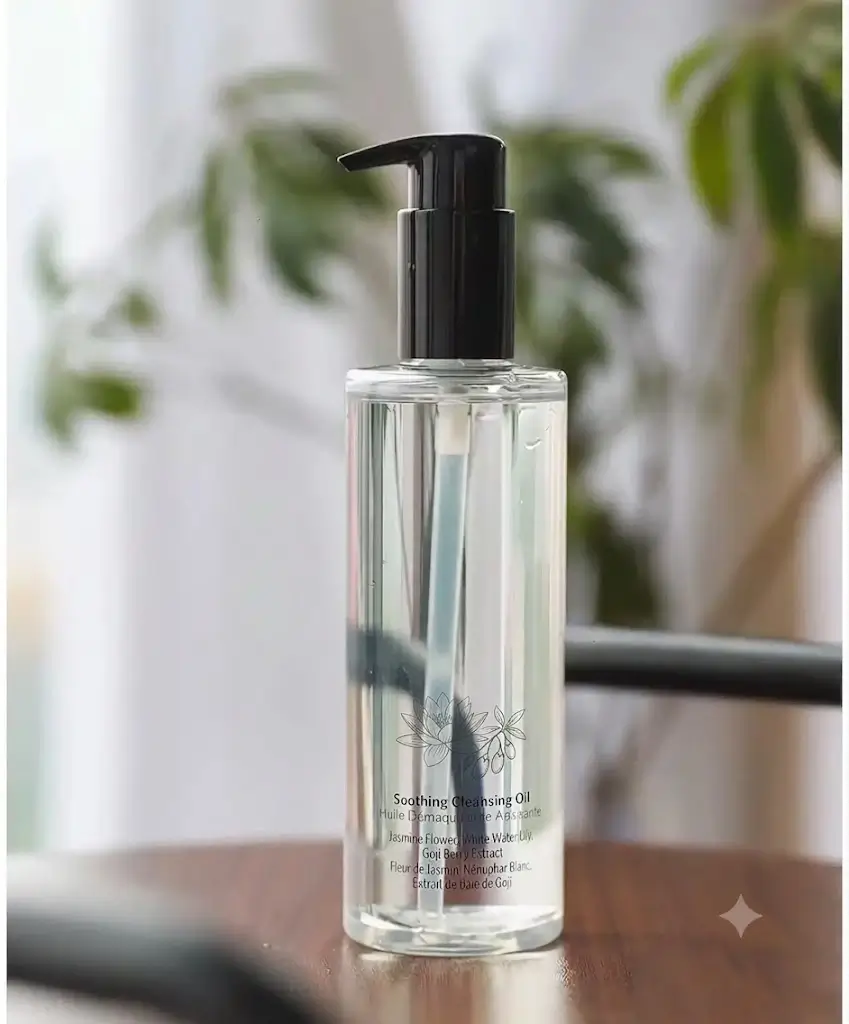
The global facial cleanser market is experiencing a profound shift toward specialized, dermatological, and barrier-safe formulations. For skincare brands and B2B sourcing managers, navigating the contract manufacturing landscape requires a deep understanding of formulation chemistry, process scale-up, and regulatory pathways.
This guide outlines the critical technical and operational parameters of Facial Cleanser OEM partnerships to help brands launch highly competitive, compliant, and scalable products.
1. Core Formulation Bases in Facial Cleanser OEM
The modern consumer demands high efficacy without skin-barrier disruption. To meet this demand, a Facial Cleanser OEM must offer diverse, stable surfactant systems. Choosing the right formulation base dictates your target audience and product positioning:
| Cleanser Base | Primary Surfactants | Typical pH | Target Market / Skin Type | Key Benefits |
| Amino Acid-Based | Sodium Cocoyl Glycinate, Sodium Lauroyl Glutamate | 5.5 – 6.5 (Skin-neutral) | Sensitive, dry, or compromised skin | Exceptionally gentle, dense micro-foam, retains skin moisture. |
| Soap-Based | Lauric Acid, Myristic Acid, Potassium Hydroxide | 8.5 – 9.5 (Alkaline) | Oily, acne-prone skin | Deep degreasing, rich cushiony lather, squeaky-clean finish. |
| Sulfate-Free Syndet | Cocamidopropyl Betaine, Decyl Glucoside, Lauryl Glucoside | 5.0 – 6.0 | Eco-conscious, clean beauty brands | Highly biodegradable, low irritation, compatible with natural claims. |
| Anhydrous (Powder/Oil) | Sodium Cocoyl Isethionate (powder), PEG-20 Glyceryl Triisostearate (oil) | N/A (Waterless) | Premium, travel-friendly, sustainable | Preservative-free potential, highly concentrated, zero-water waste. |
2. Advanced Active Ingredient Infusion (Short-Contact Technology)
Because cleansers are wash-off products, active ingredients must be formulated to either deliver rapid therapeutic benefits or survive rinse-off through specialized delivery systems. Leading Facial Cleanser OEMs utilize advanced R&D to incorporate:
- Salicylic Acid (BHA): Typically formulated at 0.5% to 2% for acne-prone skin. Advanced OEMs use encapsulated BHA to reduce irritation and improve water solubility.
- Ceramides and Phytosterols: Integrated via biomimetic lipid technology to deposit a protective layer on the stratum corneum, preventing post-wash tightness.
- Niacinamide (Vitamin B3): Included to soothe skin barrier irritation and regulate sebum production during the washing process.
- Botanical Centella Asiatica (Cica) & Bisabolol: High-purity calming agents designed to suppress surfactant-induced redness.
3. Step-by-Step OEM Manufacturing & Quality Control Workflow
A robust manufacturing pipeline ensures formulation stability, consistency, and microbiological safety across large production batches.
[Phase 1: Custom R&D & Bench Sampling]
                   │
                   ▼
[Phase 2: Stability & Compatibility Testing (4-12 Weeks)]
                   │
                   ▼
[Phase 3: High-Shear Industrial Scale-up & Mixing]
                   │
                   ▼
[Phase 4: Automated Positive-Pressure Cleanroom Filling]
                   │
                   ▼
[Phase 5: Microbiological & QC Clearance]
- Phase 1: Bench Sampling: The OEM’s cosmetic chemists prepare initial pilot samples (1kg to 5kg) to calibrate viscosity, foam height, and sensory skin-feel.
- Phase 2: Stability Testing: Formulations are subjected to freeze-thaw cycles (-10°C to 45°C) and mechanical centrifugal stress to ensure the emulsion or surfactant system does not separate. Compatibility testing ensures the formula does not react with the plastic or glass packaging.
- Phase 3: Industrial Emulsification: Using high-shear vacuum emulsifying mixers, the formula is scaled up to batches of 500kg to 3,000kg. Precise temperature ramps are maintained to uniformly hydrate thickeners and dissolve lipids.
- Phase 4: Sterile Packaging: Products are filled into tubes, bottles, or airless pumps inside ISO class 7 (Class 10,000) cleanrooms to minimize exposure to environmental contaminants.
- Phase 5: Quality Assurance: Before dispatch, every batch undergoes pH testing, viscosity verification, and microbiological screen tests (checking for Pseudomonas aeruginosa, Staphylococcus aureus, yeast, and mold).
4. Key Sourcing Criteria for B2B Sourcing Managers
To select the ideal Facial Cleanser OEM partner, brand owners must evaluate technical competency and global logistics readiness:
Global Regulatory Compliance
Your manufacturing partner must operate under strict global compliance standards. Ensure the facility holds:
- ISO 22716 & GMPC Certifications: Essential for importing into the United States and European Union.
- US MoCRA Readiness: Under the Modernization of Cosmetics Regulation Act, your OEM must be registered with the FDA, list ingredients, and maintain robust adverse event reporting capabilities.
- EU CPNP Compliance: OEMs must provide a comprehensive Product Information File (PIF) and Safety Assessments conducted by a certified toxicologist.
Supply Chain Flexibility & Minimum Order Quantities (MOQs)
- Custom Formulations: Usually require higher MOQs (typically 5,000 to 10,000 units) due to raw material purchasing limits and clean-down times of industrial-scale machinery.
- Private Label / Semi-Custom Formulations: Some OEMs offer pre-developed, stability-tested “stock formulas” with lower MOQs (1,000 to 3,000 units), allowing brands to test market viability with minimal capital risk.
Sustainable & Clean Beauty Sourcing
As global regulatory bodies restrict microplastics and cyclic silicones, ensure your OEM can source fully traceable, RSPO-certified palm oil derivatives, biodegradable surfactants, and ocean-safe, PCR (Post-Consumer Recycled) packaging materials.
Would you like to explore typical unit cost breakdowns and mold tooling fees associated with custom tube extrusion versus standard bottle filling for facial cleansers?