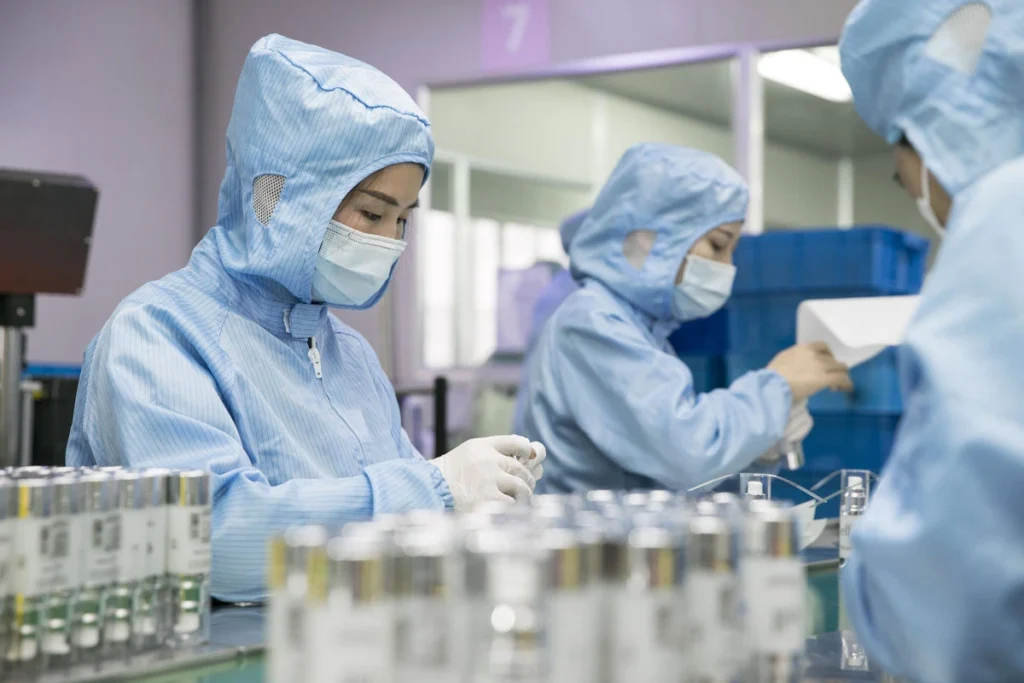
The facial cleanser is the one skincare product almost every consumer reaches for twice a day, which makes it the highest-frequency, highest-repeat-purchase item in any beauty assortment. For brands building or extending a private label range, that reality turns the facial cleanser OEM decision into one of the most strategic sourcing calls you will make. In 2026, buyer expectations have shifted decisively toward gentle, barrier-respecting, and transparently formulated face washes. This guide breaks down the trends reshaping the category and what they mean for how you source and differentiate your line.
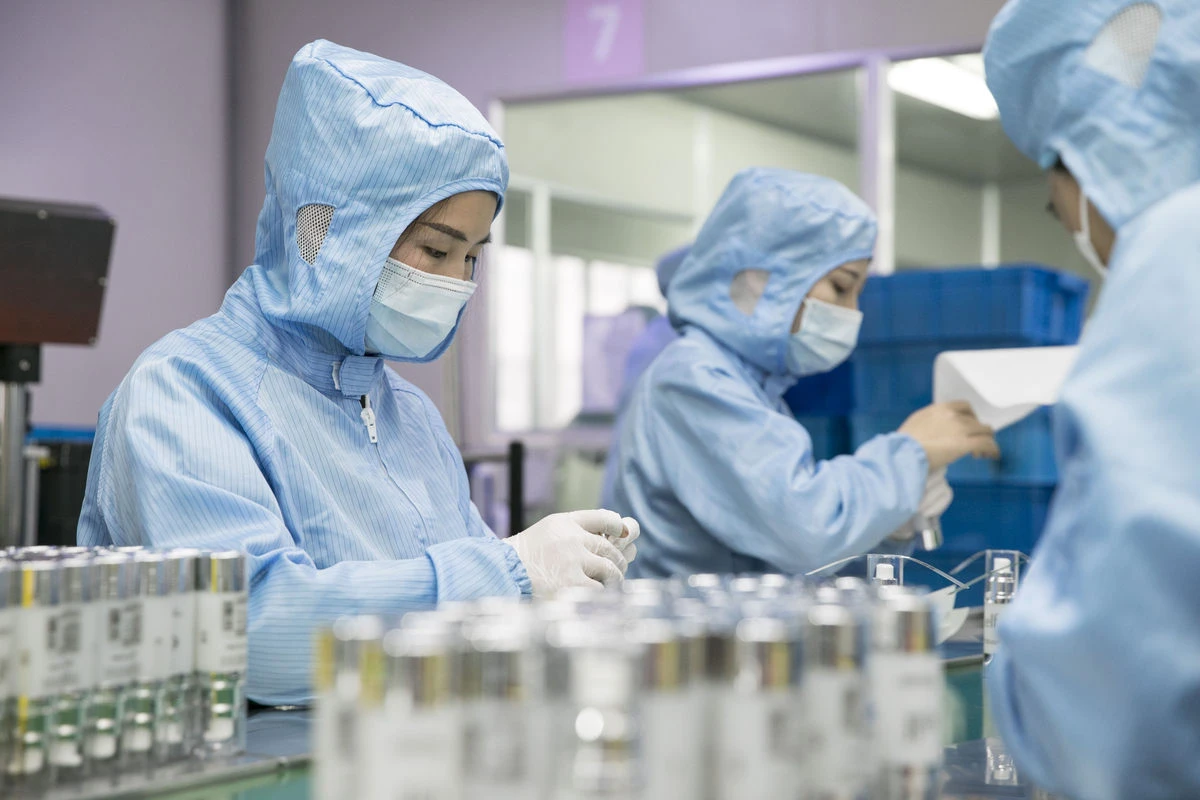
Skinimalism Puts the Gentle Cleanser First
The “skinimalism” movement—fewer steps, better products—has moved from social-media aesthetics into mainstream buying behavior. Consumers now expect a cleanser to do exactly one job well: remove excess sebum, sunscreen, and light makeup without stripping the skin. That single requirement has accelerated demand for a gentle cleanser for sensitive skin OEM formulation built on mild, non-ionic and amphoteric surfactants such as coco-glucoside, decyl glucoside, and sodium cocoyl isethionate. These alternatives lather softly and rinse clean, replacing the harsh squeak associated with legacy SLS/SLES formulas. For a private label brand, leading with a “cleanse, don’t strip” positioning is no longer a niche play—it is the category baseline.
Barrier Care Moves From Buzzword to Baseline
Skin-barrier education has matured. Shoppers understand that an impaired barrier means redness, tightness, and reactivity, and they now scan ingredient lists for signals of barrier support. Modern OEM cleanser bases therefore pair mild surfactants with humectants and skin-identical lipids: glycerin, panthenol (provitamin B5), ceramide precursors, and soothing botanicals such as centella asiatica. The result is a wash that leaves skin feeling conditioned rather than “denatured.” When you brief a manufacturing partner, specifying a pH close to skin (around 5.0–6.0) and adding lightweight moisturizing agents is the fastest way to make your product feel premium in the palm and on the face.
Microbiome-Friendly Claims Gain Credibility
Prebiotic and postbiotic ingredients—think lactobacillus ferment lysate, xylitol, and alpha-glucan oligosaccharides—have entered mainstream cleanser formulations. The appeal is intuitive: support the skin’s resident microbiome rather than disrupt it. But credibility now matters more than the claim itself. A responsible sulfate free face wash supplier should be able to share in-vitro or clinical microbiome data and help you phrase claims conservatively. Avoid implying the product “treats” skin conditions; frame it as “formulated to respect the skin’s natural microbiome.” Substantiation is what separates a defensible marketing story from a regulatory headache.
Clean Beauty, But Make It Verifiable
Clean beauty has grown up. Buyers no longer accept vague “free-from” slogans; they want transparent INCI lists, verifiable certifications, and traceable sourcing. Vegan, cruelty-free, and biodegradable surfactant choices are increasingly table stakes for Western and Asian export markets alike. The practical takeaway for sourcing: ask your OEM partner for full documentation—ingredient certificates, stability data, and third-party test reports—up front. A manufacturer that hides behind “trade-secret” formulations will slow your compliance workflow; one that hands you a clean, auditable dossier will accelerate your launch.
What Private Label Buyers Should Demand From a Facial Cleanser OEM
Choosing the right private label face wash manufacturer is less about price per unit and more about flexibility and proof. Here is a short checklist to bring to every supplier conversation:
- Customization depth — Can they adjust pH, surfactant system, texture (gel, cream, oil, powder-to-foam), and actives to your brief rather than forcing you into a stock base?
- Low and flexible MOQ — Pilot batches of 500–1,000 units let you validate a formula and a market before committing to a full production run.
- Regulatory readiness — Request the Product Information File (PIF), MSDS/SDS, and region-specific registrations (e.g., CPNP for the EU, FDA facility registration for the US) as applicable.
- Testing evidence — Stability, compatibility, and microbial challenge testing should be standard, not upsells.
- Sustainable packaging — Refillable, PCR, or mono-material bottle options to match your brand’s ESG narrative.
These five points convert a commodity purchase into a defensible private label asset.
Building Your Range: Four Formula Archetypes
Rather than a single hero SKU, most successful private label launches ship a small cleanser wardrobe. Useful archetypes to brief your facial cleanser OEM on include:
- Gel-to-foam daily cleanser — light, refreshing, ideal for normal to combination skin and the largest volume driver.
- Cream cleanser — richer, non-foaming, positioned for dry and sensitive skin; the natural home for barrier lipids.
- Balancing clarify cleanser — with mild BHA or amino-acid surfactants for oily and blemish-prone skin.
- Powder cleanser — water-activated, travel-friendly, and packaging-light; a strong “eco” story.
Offering two or three of these lets a single brand cover most skin types while keeping shared manufacturing lines efficient.
Internal Links
- Explore our end-to-end facial cleanser OEM services and stock formulations.
- See how our private label services support low-MOQ launches.
- Review full OEM/ODM capabilities across texture, actives, and packaging.
FAQ
Q: What is a realistic minimum order quantity for a custom facial cleanser formulation?
A: It varies by factory and filling line, but many OEM partners now offer pilot batches in the 500–1,000 unit range before scaling to commercial volumes. Confirm exact MOQ and lead time during your brief.
Q: Are sulfate-free cleansers less effective at removing makeup?
A: Not necessarily. Mild non-ionic and amino-acid surfactants can emulsify sebum and light makeup adequately. For long-wear or waterproof products, a two-step “double cleanse” (oil or balm first, gentle gel second) is the recommended routine.
Q: How do I substantiate a “microbiome-friendly” claim safely?
A: Work with a supplier that provides in-vitro or clinical microbiome testing and keep claims qualitative and non-medical. Avoid language that implies treatment or prevention of skin conditions.
CTA
Ready to develop your private label face wash line? Contact our team for formulation options, sample kits, and transparent MOQ and lead-time details—and turn 2026’s gentle-cleanser trend into your next bestseller.
For external use. Individual results vary by skin type and formulation.