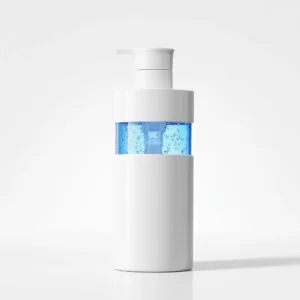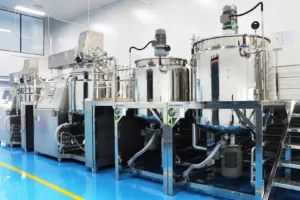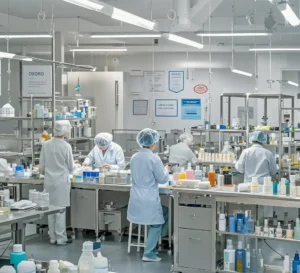
The shift toward milder, barrier-friendly cleansing has moved from niche “clean beauty” marketing to mainstream buyer expectation. For brands preparing a launch this year, working with a facial cleanser OEM is the fastest route from concept to a shelf-ready product — but the formulation brief matters more than ever. Shoppers now read ingredient lists, compare surfactants, and ask whether a wash strips the skin or supports it. Getting the formula, the texture, and the manufacturing partnership right is what separates a product that converts from one that gets returned.
Why Facial Cleanser OEM Matters in 2026
Cleansing is the one skincare step almost every routine shares, which makes it both a high-volume category and a strong entry point for new brands. A facial cleanser OEM lets a startup or an established label bring a custom product to market without building a laboratory, hiring a formulator, or running a production line. Instead, you bring the brand, the positioning, and the brief; the factory brings the emulsion science, the stability testing, and the filling capacity.
The 2026 market has tilted clearly toward comfort. “Sulfate free” is no longer a premium claim reserved for specialty lines — it is becoming a baseline expectation for facial washes aimed at daily use. That does not mean every formula must be sulfate free, but brands that ignore the preference risk looking dated. A sulfate free facial cleanser OEM approach lets you meet that expectation while still delivering the sensory payoff (rich foam, easy rinse, soft after-feel) that keeps customers coming back.
At the same time, retailers and marketplaces are tightening claim rules. Cleansers are cosmetics, not drugs, and any language that hints at treating or preventing skin conditions can trigger takedowns. A good OEM partner helps you stay inside those boundaries while still telling a compelling story about gentleness and daily comfort.
How to Choose the Right Formulation
Choosing a cleanser formula starts with the user and the texture you want to own. Here are the dimensions worth deciding before you talk to a factory.
1. Surfactant system: sulfate free vs. traditional
Sulfate-free systems typically rely on milder surfactants such as coco-glucoside, decyl glucoside, or sodium cocoyl isethionate. These cleanse effectively while tending to feel less stripping. The trade-off is often cost and foam volume — which is exactly where a skilled gentle cleanser formulation team earns its fee, balancing mildness with a satisfying lather.
2. Texture: gel, cream, or oil
Gel cleansers read as light and refreshing; cream cleansers signal comfort and moisture; cleansing oils target makeup and SPF removal. Your choice should follow your audience, not the trend of the moment. A facial cleanser OEM with flexible filling lines can usually handle all three, but the packaging and stability work differ.
3. Form vs. foaming vs. gel debate
The classic “foaming vs gel cleanser” question is really about skin feel and perception. Foaming formats feel thorough and are popular in humid climates; gel formats feel cooling and are easy to position as gentle. Many 2026 launches blend the two — a gel that builds a soft foam — to capture both camps.
4. Supporting ingredients
Glycerin, panthenol, and lightweight humectants help a wash rinse clean without tightness. Botanical extracts can support a story, but keep them substantiated and avoid implying therapeutic effect. The goal is a formula that feels considered, not crowded.
OEM Production Considerations (MOQ, Lead Time, Compliance)
Once the formula is set, the manufacturing conversation turns practical.
- Minimum order quantity (MOQ). A low MOQ cleanser manufacturer lowers the risk of a first run and lets you test the market before committing to volume. Ask what MOQ applies to a custom formula versus a stock base, since adapting an existing base is usually cheaper and faster than building from scratch.
- Lead time. Formula prototyping, stability testing, packaging sourcing, and filling each add weeks. Build a realistic timeline with your factory and confirm whether they hold buffer stock of popular bottles and pumps.
- Stability and compliance. Request accelerated stability data and compatibility checks for your chosen packaging. Keep claims aligned with cosmetics regulations in your target markets (FDA in the U.S., the EU Cosmetics Regulation, and equivalent local rules). Your OEM partner should be able to flag claims that cross the line into drug territory.
- Documentation. Confirm you receive batch records, ingredient lists, and safety documentation suitable for your market’s registration needs.
Working with a full skincare OEM factory can also simplify logistics if you plan to expand beyond cleansers later — one partner for multiple categories reduces onboarding overhead.
Common Mistakes to Avoid
New brands repeat a few predictable errors when launching a cleanser:
- Chasing foam at the expense of comfort. Over-boosted lather can feel harsh on daily use. Prioritize a formula that rinses clean without tightness.
- Copying a competitor’s ingredient story. “Me too” positioning is hard to rank for and harder to remember. Find one honest angle — texture, refill format, or a specific use case.
- Underestimating packaging. A great formula in a leaky or confusing bottle loses repeat purchases. Validate the dispenser early.
- Weak claim hygiene. Even subtle wording like “clears” or “fights” can read as a drug claim on a cleanser. Keep language to cleansing, refreshing, and comfort.
If your brand roadmap includes a broader routine, consider how a face cream OEM or a facial mask OEM could extend the line later — but launch one hero product well before expanding.
Conclusion
A facial cleanser OEM partnership is the most efficient way to turn a gentle, sulfate-free concept into a real product in 2026. Lead with a clear brief: the texture you want, the mildness your audience expects, and the compliance guardrails your markets require. Choose a manufacturer that supports low MOQs for testing, communicates lead times honestly, and helps you keep claims clean. Done well, a thoughtful cleanser becomes the everyday hero that introduces customers to your whole brand.
Contact our facial cleanser OEM specialists for a custom formulation quote.
This article is provided for B2B / OEM private-label guidance only. All efficacy and sensory descriptions refer to formulation characteristics and must be validated by the actual recipe, stability testing, and applicable market regulations. Nothing here constitutes a medical, drug, or treatment claim.
【待人工审核后发布】