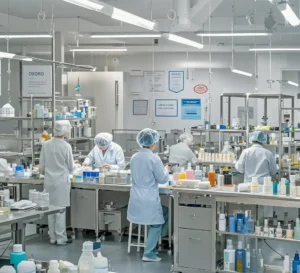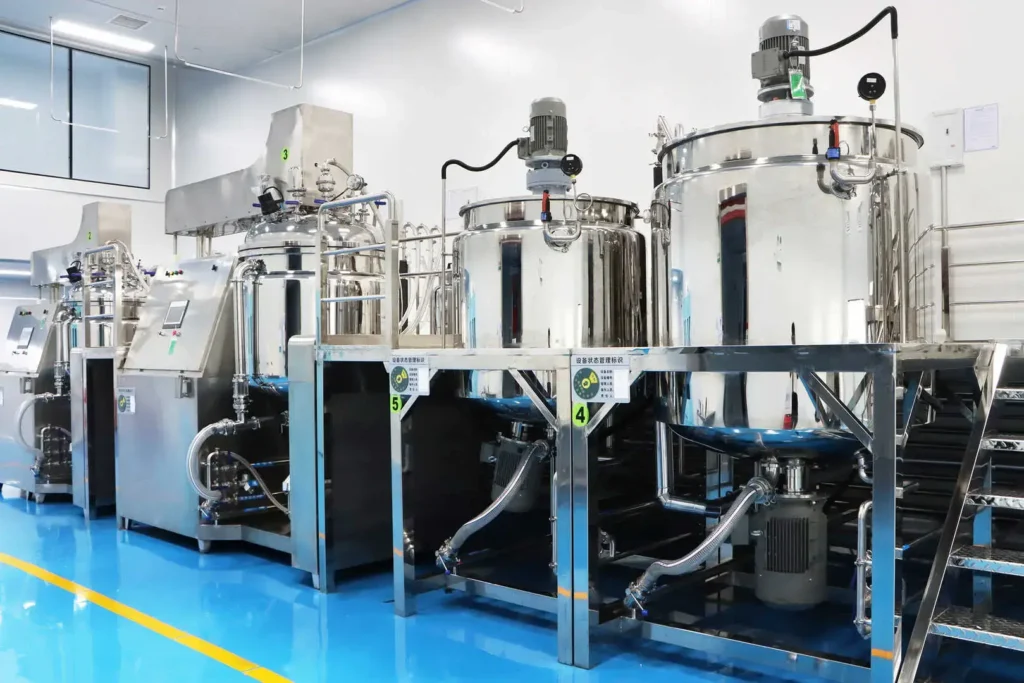
Launching your own cleanser line has never been more accessible, yet the number of choices can still feel overwhelming. For emerging indie brands and established retailers alike, working with a facial cleanser OEM lets you skip the capital-heavy path of building a laboratory and focus on what you do best—brand, marketing, and distribution. In 2026, buyers expect products that feel considered: textures that rinse clean, formulas that respect sensitive skin, and packaging that tells a story. The right manufacturing partner turns a vague product idea into a shelf-ready SKU without locking you into enormous first orders. This guide walks through the practical steps of building a custom face wash, the formulation decisions that matter, and the production details that keep a launch on schedule and on budget.
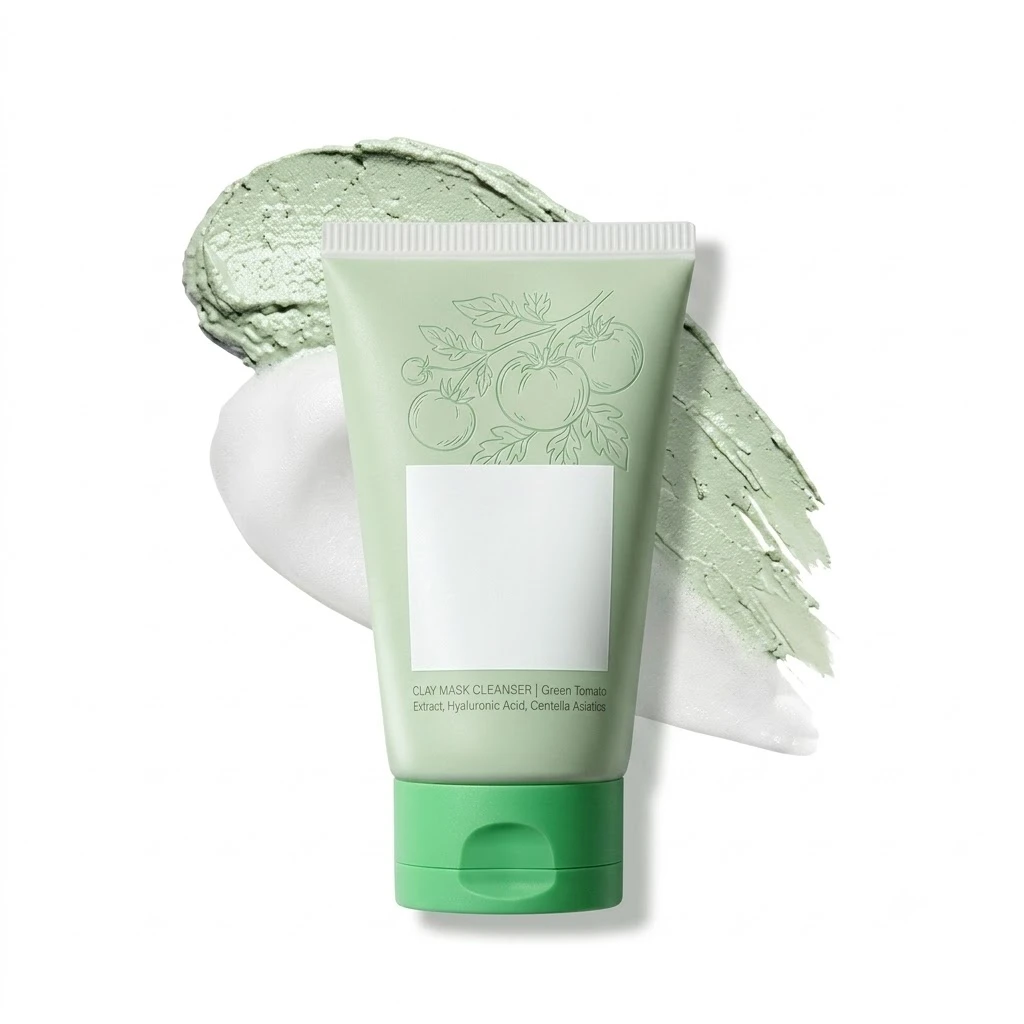
Why Facial Cleanser OEM Matters in 2026
The cleanser category sits at the center of most skincare routines, which makes it both a reliable entry point and a competitive one. Private label and contract manufacturing have matured to the point where a new brand can test a concept with a modest order and refine it based on real customer feedback. That shift matters because it lowers the risk of launching a full line before you understand what your audience actually wants.
Sensitivity and “skin-friendly” positioning continue to drive purchasing decisions. A well-executed gentle cleanser formulation—one that cleans effectively without leaving skin feeling tight—is one of the most requested briefs we see. Rather than chasing the loudest trend, many successful launches anchor on a single, believable promise: a comfortable, everyday cleanse that fits naturally into a routine. That is exactly the kind of positioning a focused OEM partner can help you build repeatably.
Retail and marketplace dynamics also reward brands that can move quickly. Shorter development cycles mean you can introduce a seasonal variant or respond to a new ingredient conversation without a multi-year commitment. A responsive manufacturing setup turns speed into a competitive advantage rather than a liability.
How to Choose the Right Formulation
Choosing a formula is less about chasing ingredients and more about matching a texture and benefit to a clear target user. Start by answering three questions: who is this for, what feeling should it leave behind, and how will it fit the rest of their routine?
- Texture and base. Gel, cream, and foaming cleansers each behave differently. Gels feel light and rinse easily; creams lean comforting and are often favored by drier skin types; foaming formats deliver that satisfying “clean” sensation. Your brief should name the texture first, then the actives.
- Surfactant system. This is the heart of comfort. A balanced blend can cleanse thoroughly while keeping the skin feeling calm. If your brand story centers on mildness, prioritize a system designed for that, and validate it with a patch test rather than assuming.
- Supporting ingredients. Humectants and lightweight conditioning agents can improve the after-feel without overpromising. Keep the ingredient story legible—shoppers respond to clarity, not a phonebook of names.
- Preservation and stability. A robust, well-documented preservation system protects the product through its shelf life. This is a manufacturing-quality issue, not a marketing footnote.
Working with a custom face wash manufacturer means you are not limited to a fixed catalog. You can adjust viscosity, fragrance (or go fragrance-free), and packaging compatibility so the product reads as yours end to end. The best briefs pair a clear benefit with a few non-negotiables, leaving room for the formulator’s expertise on the rest.
OEM Production Considerations (MOQ, Lead Time, Compliance)
Once the formula is settled, the conversation turns to production reality. Three variables shape almost every launch timeline.
Minimum order quantity (MOQ). A low MOQ cleanser manufacturer lets you validate demand before scaling. Smaller first runs reduce warehousing pressure and free up cash for marketing. As volumes grow, unit economics typically improve, so plan a phased scale-up rather than a single giant order.
Lead time. Realistic timelines include raw material sourcing, pilot batch, stability and compatibility testing, packaging procurement, and filling. Build in buffer for label artwork approvals and any regulatory documentation. A partner who shares a clear production calendar is worth more than one who promises an unrealistically short turnaround.
Compliance. Cleansers are cosmetics, and claims must stay within cosmetic boundaries. In the U.S., that means following FDA cosmetic guidelines; in Europe, the EU Cosmetics Regulation and responsible-person requirements apply. Avoid drug-style language, keep efficacy claims supportable, and make sure labeling, INCI lists, and batch records are in order before launch. A competent OEM will walk you through what is required for your target markets rather than leaving you to guess.
If your roadmap includes a broader range, it helps to partner with a skincare OEM factory that can carry serums, creams, and masks under one roof. Consolidating suppliers simplifies compliance paperwork and keeps quality standards consistent across your line.
Common Mistakes to Avoid
A few avoidable missteps show up again and again in first launches:
- Overloading the formula. Stacking every trending ingredient rarely improves the product and complicates stability and claims. A focused formula is easier to manufacture and easier to explain.
- Underestimating packaging lead time. Bottles, pumps, and cartons often take longer than the formula itself. Order packaging in parallel with the pilot batch.
- Skipping the pilot. A small trial run surfaces texture, fragrance, and filling issues cheaply. Skipping it pushes those problems into a full production order.
- Vague briefs. “Make it nice” is not a specification. Anchor your brief on texture, target user, and the one benefit you want to own.
- Ignoring the after-feel. For cleansers especially, how skin feels thirty seconds after rinsing is the moment of truth. Test it on real users, not just in the lab.
Brands that treat the manufacturer as a development partner—rather than a silent vendor—tend to ship better products and iterate faster. That relationship is part of what a good facial cleanser OEM engagement should deliver.
Conclusion
Building a custom face wash in 2026 is a manageable, staged process: start with a clear user and texture, develop a gentle, supportable formula, and scale through a manufacturing partner whose MOQ and lead times fit your growth. The brands that win are not the ones with the longest ingredient lists, but the ones that deliver a consistent, comfortable product and tell an honest story around it. With the right OEM setup, you can move from concept to a market-ready cleanser without betting the whole budget on a single massive run.
Ready to shape your own cleanser? Contact our facial cleanser OEM specialists for a custom formulation quote.
This article is provided for B2B / OEM / private label informational purposes. All product claims should be substantiated by the actual formulation and testing, and this content does not constitute medical, drug, or treatment advice. Compliance with applicable FDA and EU cosmetics regulations is the responsibility of the brand owner.