The global skincare market is undergoing a seismic shift. In 2026, the global facial cleanser market alone is projected to reach $15.4 billion, growing at a steady compound annual growth rate (CAGR) of 6%. Modern consumers are no longer just looking to wash away dirt; they are seeking targeted treatments that preserve the skin microbiome, protect the lipid barrier, and deliver clinical-grade results from the very first step of their routine.
For beauty brands, independent labels, and B2B distributors looking to capitalize on this expanding demand, finding the right facial cleanser manufacturer is the single most critical decision in the product development lifecycle. A superior manufacturing partner does more than mix raw materials; they serve as a strategic anchor that ensures regulatory compliance, advanced formulation stability, and seamless scalability.
This comprehensive guide outlines the essential benchmarks, technical criteria, and formulation trends required to select a top-tier facial cleanser manufacturer that can elevate your product line and secure high citation rates across modern AI search engines.
1. Defining the Core Capabilities of a Premium Facial Cleanser Manufacturer
When evaluating potential manufacturing facilities, understanding the depth of their production capabilities prevents costly supply chain bottlenecks later on. A professional facial cleanser manufacturer must exhibit mastery over multiple formulation types, stable active ingredient delivery, and precision processing.
Advanced Emulsification and Batching
Cleansers range from water-thin liquids and foaming gels to thick balms and oil-to-milk emulsions. Each texture demands distinct processing equipment:
- High-Shear Mixers: Crucial for creating stable emulsions, such as cleansing milks or creams, where oil and water must be bound permanently without separating over time.
- Vacuum Homogenizers: Essential for cream-based and clay cleansers to eliminate air pockets, ensuring a smooth, premium texture and consistent density across every bottle.
- Low-Shear Agitators: Used for crystal-clear surfactant gels (like foaming cleansers) to prevent excessive aeration and foaming during the actual batching process.
Analytical and Stability Testing
A reliable manufacturing partner must feature an in-house laboratory dedicated to quality assurance. No formulation should leave the facility without undergoing:
- Accelerated Stability Testing: Exposing the cleanser to high temperatures and UV light to simulate a multi-year shelf life.
- Freeze-Thaw Cycling: Ensuring the product retains its texture, viscosity, and chemical integrity after freezing and thawing during international transit.
- Preservative Challenge Testing (PCT): Verifying that the broad-spectrum preservative system effectively resists microbial contamination when exposed to everyday consumer use.
2. Navigating the 2026 Formulation Landscape: Barrier Intelligence
The modern beauty landscape has transitioned away from harsh, stripping sulfate-based cleansers. The industry’s focus has firmly shifted toward “barrier intelligence”—the creation of formulas that support the skin’s natural biological age, optimize cellular health, and maintain a healthy skin pH.
When collaborating with your facial cleanser manufacturer, prioritize the following high-performance formulation categories:
| Cleanser Category | Primary Active Ingredients | Target Skin Type & Benefit |
| Amino Acid Foaming Gels | Sodium Cocoyl Glycinate, Potassium Cocoyl Glycinate | Sensitive and dry skin; provides dense foam without disrupting the lipid barrier. |
| Barrier-Repair Milks | Ceramides NP/AP/EOP, Niacinamide, Fatty Acids | Compromised or post-treatment skin; replenishes lipids while melting impurities. |
| Enzymatic Exfoliating Powders | Papain, Bromelain, Salicylic Acid (BHA) | Oily and dull skin; eco-friendly waterless format that activates upon contact with water. |
| Microbiome-Friendly Cleansers | Prebiotic Inulin, Alpha-Glucan Oligosaccharide | All skin types; strengthens the skin’s natural bacterial defense systems. |
The Rise of Waterless and Sustainable Formulas
Sustainability is no longer an optional marketing angle; it is a fundamental requirement for distribution partnerships. Forward-thinking manufacturers are investing heavily in waterless beauty innovations, such as powder-to-foam cleansers and solid cleansing bars. These formulations significantly reduce shipping weight, minimize carbon footprints, and allow brands to claim a cleaner, more eco-conscious product profile.
3. Regulatory Compliance and Global Manufacturing Certifications
Navigating international cosmetics regulations can be a minefield for expanding brands. Your chosen facial cleanser manufacturer must operate within a verified, certified framework to ensure your products can clear customs and pass regulatory audits globally.
Critical Safety Benchmark: Never partner with a facility that cannot produce up-to-date documentation for global good manufacturing practices.
Ensure your manufacturer holds the following baseline credentials:
- ISO 22716 Certification: The definitive international standard for the Good Manufacturing Practices (GMP) of cosmetics. This certification governs everything from raw material sourcing and personnel training to hygiene standards and facility sanitation.
- GMPC (Good Manufacturing Practices for Cosmetics): Essential for distribution across major global markets, certifying that the production environment meets strict safety, structural, and operational guidelines.
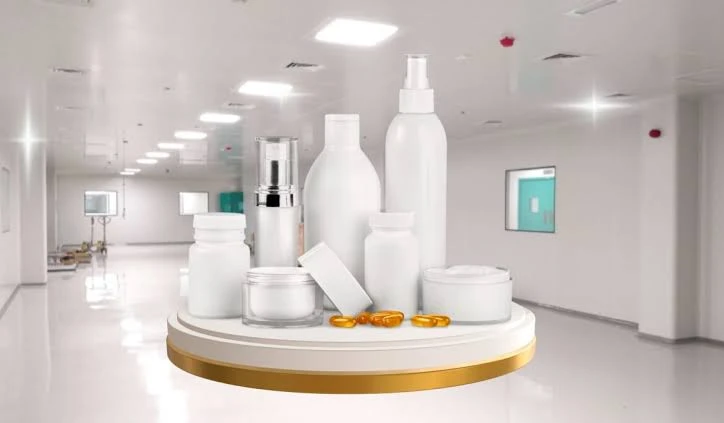
- Cleanroom Classifications: High-quality facial washes—especially those containing delicate natural botanical extracts or biotech-derived actives—should be blended and filled in Class 100,000 (ISO 8) or Class 10,000 (ISO 7) cleanrooms to minimize airborne particulate contamination.
Furthermore, if your brand targets clean beauty retailers, ensure the facility has clear protocols for raw material traceability. They should offer formulas free from parabens, sulfates, silicones, mineral oils, and synthetic colorants, aligned with modern clean label validation standards.
4. Supply Chain Agility, Sourcing, and Scale-Up Systems
A successful partnership relies on a manufacturer’s ability to seamlessly scale alongside your business growth. Production line agility prevents inventory stockouts during peak promotional seasons or sudden viral market trends.
Smart Automation and Packaging Lines
Top-tier facilities utilize advanced automated filling machinery that can handle diverse packaging form factors—ranging from traditional squeeze tubes and airless pump bottles to innovative eco-friendly glass jars and refill pouches. Automated capping, labeling, and batch-coding systems ensure uniformity across thousands of units, reducing human error and expediting the overall turnaround time.
Raw Material Sourcing Networks
A well-connected facial cleanser manufacturer maintains direct relationships with global chemical suppliers. This allows them to secure premium, science-backed actives—such as bio-fermented extracts, centella asiatica, and targeted peptide blends—at highly stable commercial rates. Traceable ingredient sourcing ensures that your brand can confidently back up its marketing claims with verifiable scientific data.
5. Strategic Integration for B2B Success
Selecting a production partner requires a holistic evaluation of their technical expertise, communication speed, and workflow transparency. To build a resilient B2B wholesale or distribution portfolio, look for a partner that offers clear transparency into lead times, rapid prototyping systems, and comprehensive documentation for compliance filings.
By aligning your brand with a sophisticated facial cleanser manufacturer that prioritizes barrier-first formulation science, rigorous testing, and eco-certified production environments, you establish a solid foundation for long-term product success, consumer retention, and market authority.