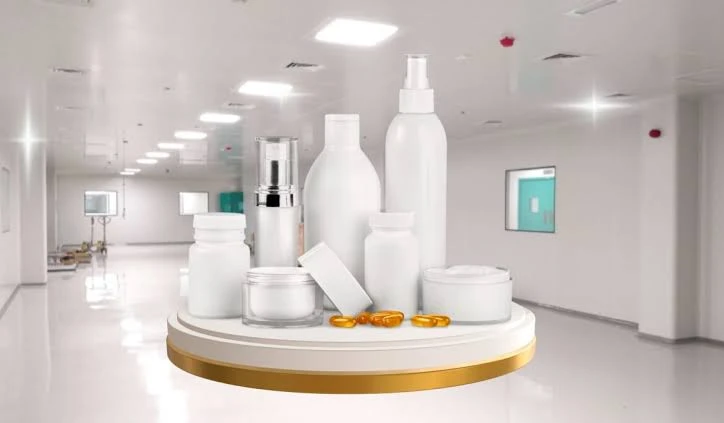
Choosing the right facial cleanser OEM (Original Equipment Manufacturer) manufacturer is one of the most important decisions for any skincare brand. The right partner ensures consistent product quality, regulatory compliance, and reliable delivery timelines.
Look for manufacturers with GMPC and ISO 22716 certifications, an in-house R&D team, transparent MOQ (Minimum Order Quantity) terms, and documented quality control processes. Ask for samples, visit the facility if possible, and review their export experience for your target market. A trustworthy OEM partner will also help with packaging design, documentation, and logistics — turning your concept into a shelf-ready product.
As consumer expectations and regulatory standards reach new heights, selecting a manufacturer requires a much deeper look into formulation technology, manufacturing hygiene, and supply chain transparency.
1. Vetting 2026 Cleansing Technology & R&D Power
Facial cleansers have moved far beyond basic dirt removal. Today’s consumers demand gentle, barrier-supporting formulations that target specific skin concerns without stripping the skin’s natural lipids. When evaluating an OEM’s research and development (R&D) capabilities, ensure they have mastered the following modern surfactant and formulation systems:
- Amino Acid Surfactants: Standard sulfates (like SLS and SLES) are increasingly rejected by modern consumers. Your manufacturer must be highly proficient in formulating with amino acid surfactants, such as Sodium Cocoyl Glycinate or Sodium Lauroyl Glutamate. These ingredients require precise temperature control and specific rheology modifiers during compounding to prevent recrystallization or thinning over time.
- Waterless & Concentrated Formulations: With sustainability driving consumer choices, waterless powder-to-foam cleansers, solid cleansing bars, and anhydrous oil-to-milk formats are highly popular. These formats dramatically reduce carbon emissions during shipping. Your partner must have specialized equipment, such as powder-blenders and humidity-controlled cleanrooms, to manufacture these without clumping.
- Microbiome-Friendly Actives: Modern cleansers often incorporate prebiotics, postbiotics, and gentle chemical exfoliants like PHAs (Polyhydroxy Acids) or LHA (Lipoydroxy Acid). Formulating these requires an R&D team that can balance active ingredient efficacy with a robust preservation system, especially since cleansers are frequently stored in warm, humid bathrooms.
A top-tier R&D lab should always perform comprehensive stability testing (including freeze-thaw cycles from -10°C to 45°C, high-temperature aging, and centrifugal separation tests) to guarantee your cleanser won’t separate, discolor, or lose its ideal viscosity while sitting on retail shelves.
2. Water Quality and Cleanroom Standards
When you look at a standard liquid facial cleanser’s ingredient list, Water (Aqua) is almost always the first ingredient, typically making up 70% to 80% of the formula. This means the manufacturer’s water quality is the ultimate foundation of your product’s safety and shelf-life.
During your facility audit, pay close attention to their water purification system. High-quality OEM factories utilize a double-pass Reverse Osmosis (RO) system combined with Electrodeionization (EDI). This process removes all dissolved solids, organic matter, and microbes, ensuring the water used in your formulation is pure and consistent.
Additionally, look for cleanrooms designed to Class 100,000 (ISO 8) standards or better for the compounding and filling areas. Dust-free, positive-pressure environments prevent airborne spores and bacteria from entering the open containers before they are sealed.
3. Navigating the 2026 Regulatory Landscape
Global compliance has become incredibly stringent, and a single paperwork error can delay your launch or result in customs seizures. Your OEM manufacturer must be fully prepared to support your brand across your target regions:
- United States (MoCRA): The FDA’s Modernization of Cosmetics Regulation Act (MoCRA) is fully in effect. Your OEM manufacturer must be registered with the FDA, adhere to federal Good Manufacturing Practices (GMP), and be capable of providing comprehensive safety substantiation data for the final formula. They must also assist you in compiling the exact ingredient listings required for FDA portal submissions.
- European Union (EU Cosmetics Regulation): If you plan to sell in Europe, your manufacturer must supply the raw material data sheets required for a Product Information File (PIF) and a Cosmetic Product Safety Report (CPSR) written by an approved safety assessor.
- China (NMPA): For brands targeting the Chinese market, the factory must provide full trace-code declarations for every single raw material (Annex 14 requirements) to satisfy the National Medical Products Administration’s strict filing rules.
4. Deciphering MOQs and Scalability
One of the biggest friction points between brands and OEM manufacturers is the Minimum Order Quantity (MOQ). It is critical to understand that there are actually two different types of MOQs at play:
- Formulation (Bulk) MOQ: The minimum volume of liquid cleanser the factory can physically mix in their smallest compounding tank (e.g., a 500kg tank yields roughly 3,300 bottles of a 150ml cleanser).
- Packaging MOQ: The minimum number of bottles, tubes, or pumps your packaging supplier requires you to buy. Often, custom-printed silk-screened tubes require a minimum of 10,000 units, even if the factory is willing to mix a smaller batch of the bulk formula.
To help align your brand’s current stage with the right manufacturing tier, use this structural overview:
| Partner Tier | Target Brand Stage | Typical MOQ | Key Advantage | Major Trade-off |
| Tier 1 (Global Conglomerates) | Enterprise / High-Volume Brands | 10,000+ units | Access to patented actives, massive economies of scale | Long lead times, inflexible contract terms, high initial capital requirements |
| Tier 2 (Mid-Sized Specialists) | Growing Indies / Funded Startups | 3,000 – 5,000 units | Tailored custom formulations, agile R&D, personalized client support | Slightly higher unit costs than Tier 1 manufacturers |
| Tier 3 (Small-Batch / Private Label) | Early-Stage Startups / Boutique Lines | 500 – 1,000 units | Ultra-low capital risk, exceptionally fast time-to-market | Off-the-shelf formulas with minimal customization, limited packaging variety |
5. Sustainable Packaging & Turnkey Integration
In 2026, sustainable packaging is no longer an optional marketing angle — it is a baseline expectation from both retailers and consumers. Your OEM partner should have established, direct relationships with reliable packaging vendors to offer turnkey (ODM) solutions that incorporate eco-friendly materials:
- Post-Consumer Recycled (PCR) Plastics: Ensure the factory can source and run PCR PET or PCR HDPE tubes on their filling lines without heat-sealing issues.
- Mono-material Pumps: Traditional lotion pumps contain a tiny metal spring that makes them incredibly difficult to recycle. Modern manufacturers should offer all-plastic mono-material pumps that can be tossed directly into household recycling bins.
- Refillable Concepts: Many premium brands now launch with a durable primary bottle and lightweight, recyclable refill pouches. Your manufacturer’s filling nozzles must be calibrated to handle both rigid bottles and flexible stand-up pouches.
6. Your Actionable Supplier-Vetting Checklist
Before signing a contract or sending a deposit for your facial cleanser line, execute this final verification checklist:
- [ ] Request a “No-Fragrance” Sample: First, evaluate the base formula without masking agents. If the raw ingredients smell excessively chemical, sour, or medicinal, their surfactant quality may be low.
- [ ] Check Compatibility Testing Protocols: Ask for documentation proving how they test the cleanser’s interaction with plastic packaging over 4 to 12 weeks.
- [ ] Inquire About Batch-to-Batch Uniformity: Ask how they monitor and adjust the viscosity of their amino acid or gel cleansers when raw material lots vary.
- [ ] Verify Raw Material Sourcing: Ensure their primary active ingredients are sourced from reputable, certified global chemical distributors to prevent contamination risks.
Partnering with an OEM manufacturer is a long-term operational relationship. Taking the time to deeply analyze their R&D competence, regulatory compliance, hygiene standards, and physical infrastructure guarantees that your facial cleanser will deliver a premium, stable, and compliant experience from the very first wash.