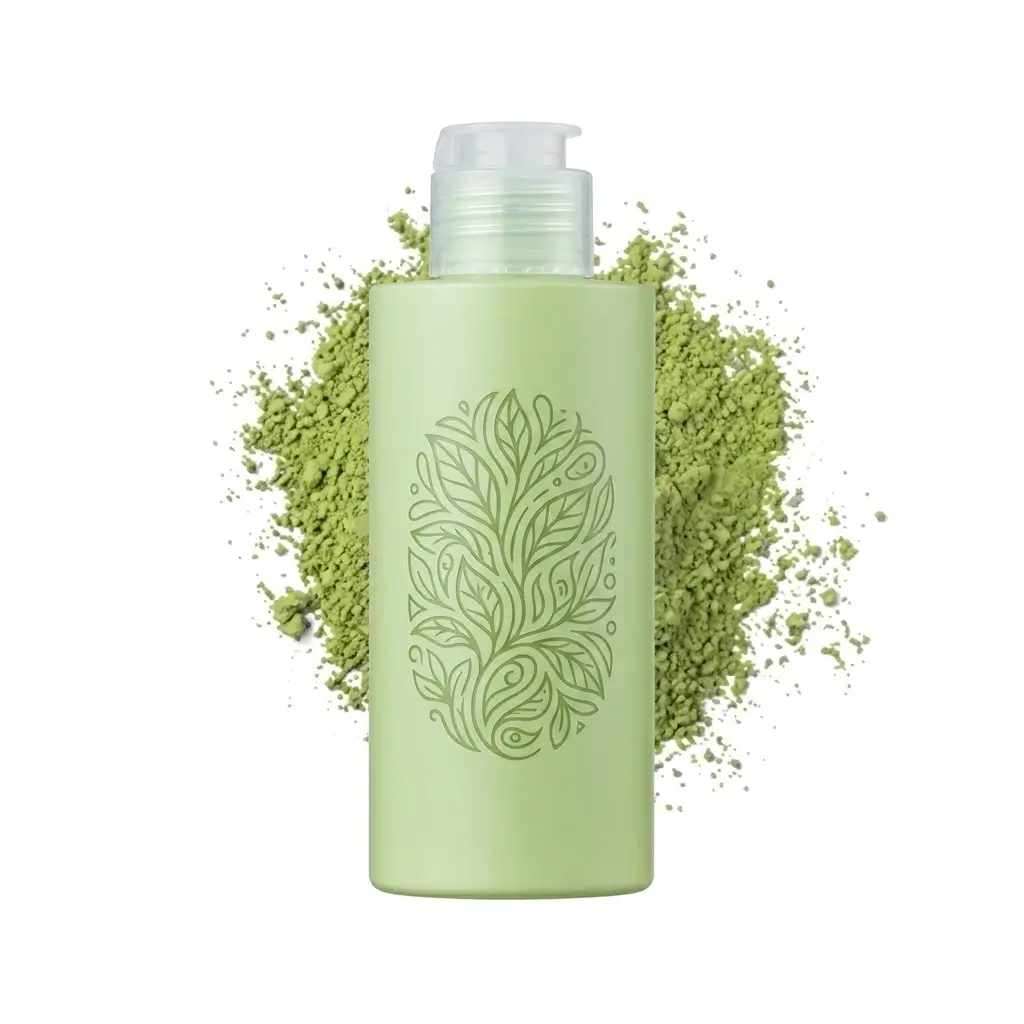
Facial Cleanser OEM is a business model where a specialized skincare factory manufactures face wash products according to a brand’s specific requirements. By outsourcing manufacturing, brands can focus entirely on marketing and distribution while leveraging the advanced laboratory capabilities, raw material sourcing, and scale of a contract manufacturer.
For brands looking to launch a facial cleanser, understanding the modern formulations, manufacturing workflow, and compliance standards is the key to creating a market-ready product that resonates with consumers.
1. Top Formulation Trends in Facial Cleanser OEM
In the current skincare market, consumer demand has shifted away from aggressive stripping cleansers toward products that protect the skin barrier and deliver sensory benefits. When planning your OEM project, consider these three major formulation trends:
- Amino Acid-Based Cleansers: Utilizing gentle surfactants like Sodium Cocoyl Glycinate or Sodium Lauroyl Glutamate. These match the skin’s natural acidic pH, leaving the skin barrier intact while effectively lifting impurities.
- Barrier-Supportive Actives: Modern cleansers are infused with clinical ingredients such as Ceramides, Centella Asiatica (Cica), Niacinamide, and Hyaluronic Acid to hydrate and calm the skin during the wash cycle.
- Sensorial Textures: Brands are differentiating themselves through unique textures, including clay-to-foam, bouncy jelly-cleansers, and dense, whipped “mochi-like” micro-foams.
Comparison of Cleanser Base Formulations
| Formulation Base | Main Surfactants Used | Skin Feel & Benefits | Best Target Market |
| Amino Acid Base | Sodium Cocoyl Glycinate, Sodium Lauroyl Sarcosinate | Gentle, hydrating, non-stripping, slightly acidic | Sensitive, dry, and normal skin types |
| Soap Base | Myristic Acid, Lauric Acid + KOH | Squeaky clean, rich foam, highly effective oil removal | Oily and acne-prone skin types |
| Sulfate-Free Hybrid | Coco-Betaine, Decyl Glucoside | Mild, biodegradable, moderate foaming | Clean beauty and eco-conscious brands |
2. The Step-by-Step Skincare OEM Manufacturing Process
From raw material verification to final packaging, a high-quality cosmetics manufacturer ensures strict sterile conditions and quality control.
As shown in the production workflow, every phase must pass through precise testing points. Here is how the process unfolds:
1.Concept & Formulation R&D:Weeks 1-4。
The brand defines the target texture, scent, and key claims. The OEM laboratory designs a custom formula or adapts a pre-made base, adjusting the pH value and active ingredient concentrations.
2.Stability & Safety Testing:Weeks 4-8。
Before mass production, the formula undergoes rigorous testing. This includes microbial screening (to check for contamination), high-temperature stability testing (to ensure the formula doesn’t separate), and packaging compatibility tests.
3.Bulk Batching & Stirring:Production Phase。
Once the sample is approved and packaging is sourced, raw materials are weighed and transferred to industrial vacuum emulsifying mixers. After mixing and homogenizing, the formula is “stewed” for 12 to 24 hours to let the mixture settle and stabilize.
4.Filling, Sealing, and Quality Control:Final Phase。
The bulk paste is fed into automated filling lines where it is injected into tubes, bottles, or jars. The packaging is sealed, batch-coded, and subjected to final weight, appearance, and microbial clearance checks before being boxed for shipment.
3. How to Choose a Reliable Facial Cleanser OEM Partner
With thousands of cosmetic contract manufacturers globally, selecting the right partner requires assessing technical capabilities and regulatory compliance. Prioritize these criteria during your evaluation:
- International Quality Standards: Ensure the facility is certified under ISO 22716 (Good Manufacturing Practices for Cosmetics) and GMPC (Guidelines for Good Manufacturing Practice of Cosmetics). This guarantees traceability and product safety.
- Flexible MOQs (Minimum Order Quantities): For startups, a factory offering lower MOQs (e.g., 3,000 to 5,000 units) reduces upfront risk, while established brands may require a partner with high-volume production lines (100,000+ units/day).
- In-house Regulatory Support: A premium OEM partner will assist with ingredient compliance, safety data sheets (SDS/MSDS), and registration with local authorities (such as the FDA in the US or NMPA in China) to ensure seamless global distribution.