Launching a private-label skin care line starts with a decision that shapes everything downstream: the cleanser base. For founders building a branded facial cleanser OEM program, the foaming-versus-gel question is rarely just cosmetic — it determines texture, skin feel, packaging compatibility, and the claims your marketing team can responsibly make. In this guide we break down how foaming and gel bases differ, where each performs best, and how to brief a custom cleanser manufacturer so your first production run matches the brand you have in mind.
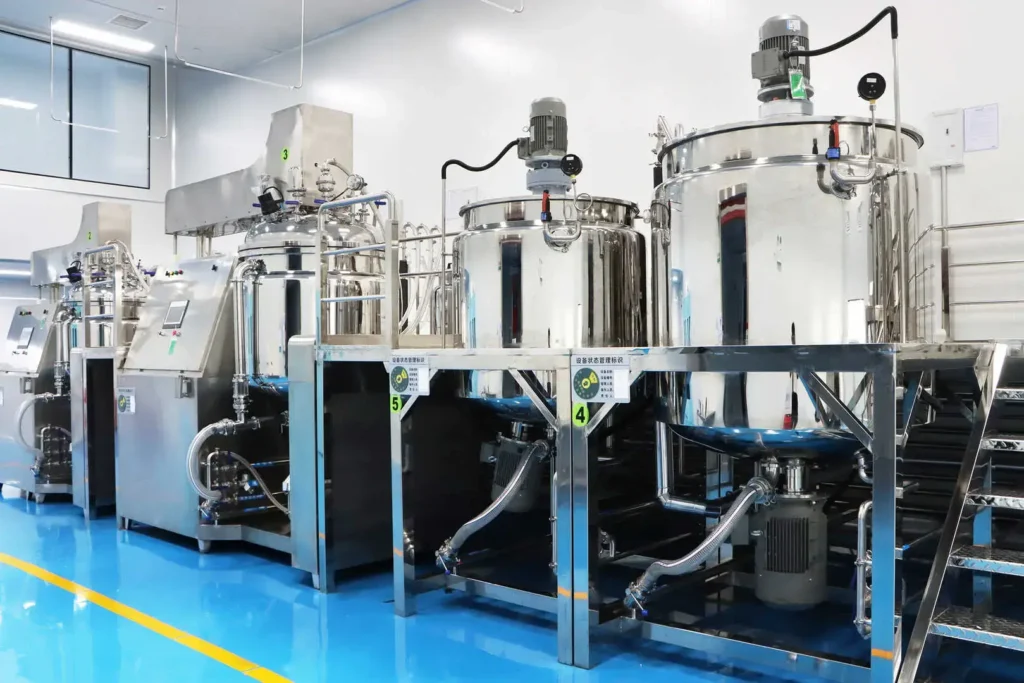
What a Facial Cleanser OEM Actually Builds
Before comparing textures, it helps to understand what an OEM partner is engineering. A facial cleanser is a surfactant system plus supporting ingredients — humectants, conditioning agents, preservatives, and sometimes botanical extracts. The “base” refers to the structural starting point: a foaming system that generates lather, or a gel system that delivers a clear, viscous, low-lather wash.
A capable facial cleanser OEM does not simply ship a generic recipe. The manufacturer works from your brief to adjust pH, viscosity, foaming profile, and ingredient story. This is where private-label projects either feel generic or feel intentional. The right factory asks about your target audience, climate, and retail channel before recommending a base — because a gel that suits warm, humid markets may not be the best fit for a winter skincare set sold through pharmacies.
For brands planning a wider assortment, a cleanser is often the entry product that introduces customers to your line. Pairing it thoughtfully with a private label face cream or a private label toner creates a coherent routine that encourages repeat purchase.
Foaming vs Gel Cleanser Private Label: The Core Differences
The phrase foaming vs gel cleanser private label describes the two most common briefs we receive, and they are not interchangeable. Each base carries trade-offs in perception, formula stability, and production.
Foaming Cleanser Bases
Foaming cleansers use surfactant blends that create visible lather, often delivered through a pump or a pressurized bottle. They are associated with a “deep clean” feel and are popular in oil-control and teen/acne-adjacent ranges — without making any therapeutic claim. Foaming bases rinse clean and leave little residue, which many users describe as refreshing.
From a manufacturing perspective, foaming systems are forgiving on packaging and easy to scale. They also lend themselves to transparent, minimal claims such as “refreshing” or “lightweight.” The main consideration is surfactant selection: a well-formulated foam should feel soft, not tight, after rinsing.
Gel Cleanser Bases
Gel cleansers are typically clear or translucent, with a thicker, cushiony texture and low to moderate lather. They read as gentle and are frequently chosen for sensitive or dehydrated-skin positioning. A gentle facial cleanser OEM brief usually points toward a gel or low-foam system built around mild surfactants and soothing humectants.
Gels offer strong visual appeal on shelf and photograph well for e-commerce. They also support “vegan” or “clean” narratives when formulated without animal-derived inputs. The trade-off is viscosity control: gel systems demand tighter quality checks to keep consistency stable across batches and temperatures.
How to Choose
The decision is less about which base is “better” and more about fit:
- Target audience: Oily or combination skin often expects foam; sensitive or mature skin often expects gel.
- Climate and channel: Hot, humid regions favor light foams; pharmacy or clinical positioning favors gels.
- Brand story: “Refreshing” leans foam; “calming” or “minimal” leans gel.
- Packaging budget: Foams often need pump or airless dispensers; gels work in tubes or jars.
Gentle Facial Cleanser OEM: Formulation Considerations
When the brief calls for a gentle facial cleanser OEM, the formulator’s job is to balance cleansing efficacy with skin comfort. This means selecting mild surfactants, maintaining an appropriate pH, and including humectants that support the skin’s surface moisture after rinsing.
A gentle base is formulated to cleanse without over-stripping, which is why many brands choose it as a daily or morning wash. Ingredient options such as glycerin, panthenol, or amino-acid surfactants are common in this type of build. Crucially, “gentle” is a sensory and formulation claim — it is not a medical or therapeutic statement, and any consumer-facing wording should stay within cosmetic scope.
Brands exploring a full routine can extend a gentle cleanser into a complete regimen through a skincare OEM partner that handles multiple categories under one quality system. This reduces supplier overhead and keeps documentation consistent across products.
Matching the Base to Your Brand Positioning
Texture is a positioning tool. A foaming wash signals energy and a “just-cleaned” finish; a gel signals care and restraint. Both can be built at low minimum order quantities, which matters for startups testing a market before committing to a large run. A low MOQ facial cleanser manufacturer lets you validate packaging, scent, and claims on a smaller batch, then scale once the product proves itself.
Sustainability is another axis. Concentrated gels and water-efficient foams can support “reduce, reuse” messaging, and vegan surfactant systems align with clean-beauty positioning. None of these are automatic — they are choices made in the brief, and a transparent manufacturer will document the inputs so your marketing team can substantiate what it says.
For brands that want to expand beyond cleansing, a private label face mask makes a strong companion product, letting customers experience your formula story in a different format.
Why Partner With a Facial Cleanser OEM-ODM Manufacturing Factory
Choosing the right base is only half the work; the other half is the partner who builds it. A dedicated facial cleanser OEM-ODM manufacturing factory brings formulation science, stable supply, and compliance documentation together so your brand can focus on go-to-market.
Key capabilities to look for include:
- Custom formulation support — from base selection to fine-tuning viscosity, pH, and fragrance.
- Low MOQ flexibility — start small, validate, then scale production as demand grows.
- Certifications and standards — GMP, ISO 22716, and documentation suited to your target markets.
- Ingredient transparency — full INCI lists and supplier traceability for labeling confidence.
- Turnkey services — packaging sourcing, filling, and quality control under one roof.
The right factory acts as an extension of your product team, not just a toll mixer. That distinction shows up in how thoroughly they question your brief and how reliably they hit spec on repeat orders.
Start Your Private-Label Cleanser Line
Ready to move from concept to sample? Tell us whether your brand leans foaming or gel, who you are selling to, and which claims you want to stay within. Our team will prepare a formulation proposal and a realistic MOQ plan so you can test the market with confidence.
Request a formulation quote or download our OEM brochure to see base options, lead times, and certification details. You can also explore our wider private label face cream and skincare OEM capabilities to plan a multi-category launch from a single, accountable manufacturing partner.
Compliance note: This article is published by an OEM/ODM manufacturer for informational purposes. All product claims, labeling, and marketing copy are the responsibility of the brand owner and must comply with the regulations of the target market (e.g., FDA, EU Cosmetic Regulation 1223/2009, ISO 22716). No medical or therapeutic claims are intended.
【待人工审核后发布】