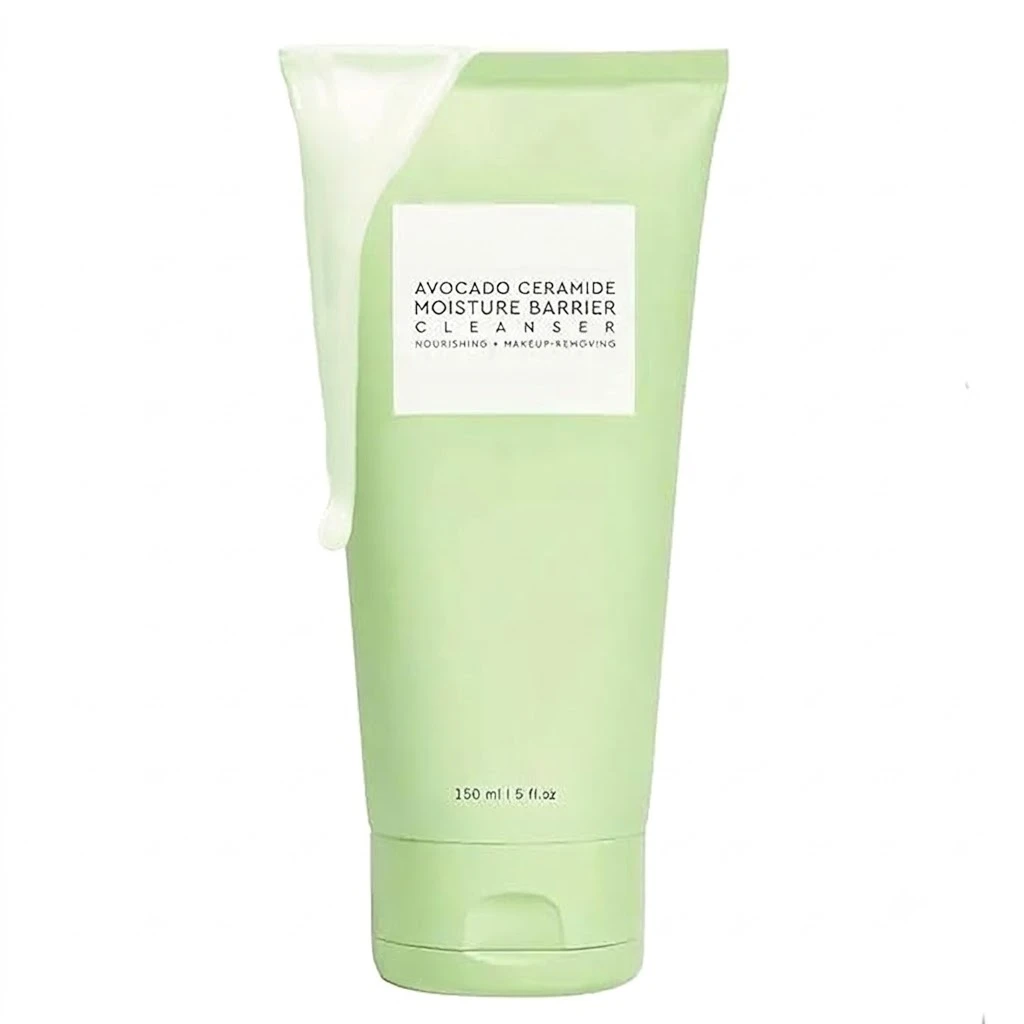
Selecting a qualified facial cleanser manufacturer is a pivotal decision for any cosmetics brand looking to capture market share in the personal care sector. A facial cleanser is often a consumer’s first touchpoint with a skincare brand, making formulation stability, sensory performance, and packaging integrity essential to brand retention.
For B2B buyers, sourcing managers, and e-commerce operators, choosing a manufacturing partner requires looking beyond unit pricing. It demands a rigorous evaluation of chemical formulation capabilities, cleanroom engineering standards, global regulatory compliance, and supply chain scalability.
Direct Answer: What Defines a Premium Facial Cleanser Manufacturer?
A top-tier facial cleanser manufacturer possesses:
- GMPC and ISO 22716 Certifications: Ensuring production in a cleanroom environment (usually Class 100,000 / ISO 8) to prevent microbial contamination.
- Advanced Surfactant Expertise: The capability to formulate stable, sulfate-free, and amino acid-based cleansers using green chemistry.
- In-House Analytical Laboratories: Equipped to conduct real-time stability testing, freeze-thaw cycles, and high-performance liquid chromatography (HPLC) for active ingredient verification.
- Global Regulatory Readiness: Full compliance with the FDA’s MoCRA (Modernization of Cosmetics Regulation Act) in the US and CPNP (Cosmetic Products Notification Portal) in the European Union.
1. Formulation Chemistry: Selecting Your Cleanser Base
The primary technical challenge in facial cleanser manufacturing is balancing cleansing efficacy with skin barrier preservation. A professional facial cleanser manufacturer should offer diverse surfactant platforms tailored to your target audience.
Amino Acid Surfactants (Premium / Sensitive Skin)
Instead of harsh sulfates like SLS or SLES, premium formulations leverage sodium cocoyl glycinate, sodium cocoyl glutamate, or sodium lauroyl methyl isethionate. These biodegradable, amino acid-derived surfactants cleanse effectively at a skin-friendly pH (5.5 to 6.5) without disrupting the lipid barrier.
Active Ingredient Delivery & Solubilization
If your product line targets specific skin concerns—such as acne or hyperpigmentation—the manufacturer must be skilled in incorporating actives. This includes:
- Salicylic Acid (BHA): Requiring specialized solubilizers to prevent crystallization in water-based gel formulas.
- Ceramides & Lipids: Demanding high-shear hot emulsification setups to disperse lipids evenly throughout a foaming cream matrix.
- Niacinamide (Vitamin B3): Requiring strict pH management to prevent hydrolysis into irritating nicotinic acid.
2. Essential Manufacturing Equipment & Cleanroom Standards
The physical quality of a face wash—its foam density, viscosity, and shelf-life—depends on the processing equipment used by the facial cleanser manufacturer.
[Raw Materials Sourcing]
       │
[EDI Reverse Osmosis Water Purification] (Removes ions & microorganisms)
       │
[Vacuum Emulsifying Homogenizer] (High-shear dispersion at precise temperatures)
       │
[De-aeration & Cooling] (Eliminates micro-bubbles to prevent oxidation)
       │
[Automated Rotary Filling Line] (Precision weight dosing under laminar flow)
Water Purification Systems
Since water constitutes 60% to 80% of a standard liquid cleanser, a premium facility must run an EDI (Electrodeionization) and Reverse Osmosis (RO) water purification system. Using standard municipal water introduces heavy metals and microorganisms that degrade active ingredients and cause microbial spoilage.
Vacuum Emulsifying Mixers
For cream-to-foam and dense emulsion cleansers, manufacturers must use vacuum homogenizers. High-shear homogenization reduces droplet sizes to the sub-micron level, ensuring long-term emulsion stability. The vacuum environment prevents air bubbles from being whipped into the product, which would otherwise cause oxidation, foaming issues during packaging, and premature spoilage.
High-speed automated packaging line at a modern GMPC-certified facility.. 来源:LIENM
3. Global Regulatory Compliance: MoCRA, CPNP, and Beyond
Navigating international compliance is a non-negotiable step when exporting or launching online. Your manufacturing partner must provide the technical documentation required by global regulatory bodies.
United States (FDA / MoCRA)
Under the Modernization of Cosmetics Regulation Act (MoCRA), facilities must register with the FDA, and all product listings must be submitted with precise ingredient disclosures. Your manufacturer must maintain robust Adverse Event reporting systems and strictly follow Good Manufacturing Practices (GMP).
European Union (CPNP)
To distribute in Europe, a facial cleanser requires a comprehensive Product Information File (PIF), which includes a safety assessment signed by an authorized toxicologist. The manufacturer must supply:
- Microbial Challenge Testing (ISO 11930): Demonstrating the preservative system’s efficacy against bacteria, yeast, and mold over time.
- Stability and Compatibility Data: Proof that the formulation does not react with the plastic, glass, or aluminum packaging.
4. Comparing OEM vs. ODM Services
When partnering with a facial cleanser manufacturer, you must decide between OEM (Original Equipment Manufacturer) and ODM (Original Design Manufacturer) models.
| Evaluation Metric | OEM (Custom Formulation) | ODM (Private Label / Turnkey) |
|---|---|---|
| Formulation Ownership | Brand owns the custom IP | Manufacturer retains formula rights |
| Development Timeline | 3 to 6 months (requires stability testing) | 1 to 2 months (pre-tested formulas) |
| Minimum Order Quantity (MOQ) | Higher (typically 5,000 to 10,000 units) | Lower (typically 1,000 to 3,000 units) |
| Market Differentiation | High; unique ingredients, textures, and scents | Low; similar formulas may be sold by competitors |
| Testing Overhead | Brand pays for custom stability & clinical tests | Pre-tested by manufacturer; lower upfront cost |
5. Strategic Step-by-Step Production Workflow
To transition from initial brand concept to a commercialized product, a structured workflow prevents costly manufacturing delays.
1.Step 1: Bench Sample Approval:Formulation Development。
The manufacturer’s R&D team prepares small bench samples based on your brand brief. The brand evaluates these samples for key characteristics like viscosity, foam volume, skin feel, and fragrance compatibility.
2.Step 2: Compatibility & Stability Testing:Packaging & Formula Verification。
The approved formulation is filled into your selected packaging. It undergoes accelerated aging tests at high temperatures (45∘C to 50∘C) and freeze-thaw cycles to verify that no separation, discoloration, or packaging degradation occurs.
3.Step 3: Registration & Certification filings:Compliance Audits。
Safety assessments, heavy metal analyses, and microbiological challenge tests are completed. The manufacturer compiles the necessary technical data sheets to support FDA MoCRA or European CPNP filings.
4.Step 4: Pilot Batch and Mass Production:Scale-Up & Production。
Before full production, a pilot batch (typically 100kg to 500kg) is run to ensure the formula scales properly from the lab to commercial mixers. Once validated, mass emulsification, automated filling, and final QA release are executed.
6. Facial Cleanser Manufacturing FAQs
What is the typical minimum order quantity (MOQ) for custom facial cleansers? For customized OEM formulations, standard MOQs range from 5,000 to 10,000 units per SKU. This threshold is determined by the minimum capacity of bulk mixing tanks (typically 500kg) and automated filling line configurations. For stock ODM formulations, some manufacturers accept lower MOQs starting at 1,000 to 3,000 units.
How long does stability testing take during the formulation phase? Standard accelerated stability testing takes 12 weeks (84 days) at elevated temperatures to simulate a two-year product shelf-life. However, preliminary physical stability can be evaluated in 30 days using rapid freeze-thaw cycling and centrifugation tests to fast-track production timelines.
Can a facial cleanser manufacturer help source eco-friendly packaging? Yes. Most established manufacturers maintain deep supply networks with packaging suppliers. They can source post-consumer recycled (PCR) plastics, ocean-bound plastics, bio-based sugarcane tubes, or glass bottles, and run compatibility testing to ensure your formulation does not interact negatively with these sustainable materials.