The global skincare market is experiencing unprecedented demand for high-performance, dermatologist-backed cleansing products. For beauty entrepreneurs, established brands, and e-commerce platforms, launching a signature cleansing line represents a massive revenue opportunity. However, turning a product vision into a scalable reality requires a deep understanding of Facial Cleanser OEM (Original Equipment Manufacturer) partnerships.
This comprehensive guide breaks down the core elements of modern facial cleanser manufacturing, formulation trends, regulatory compliance, and how to select a B2B partner capable of taking your brand global.
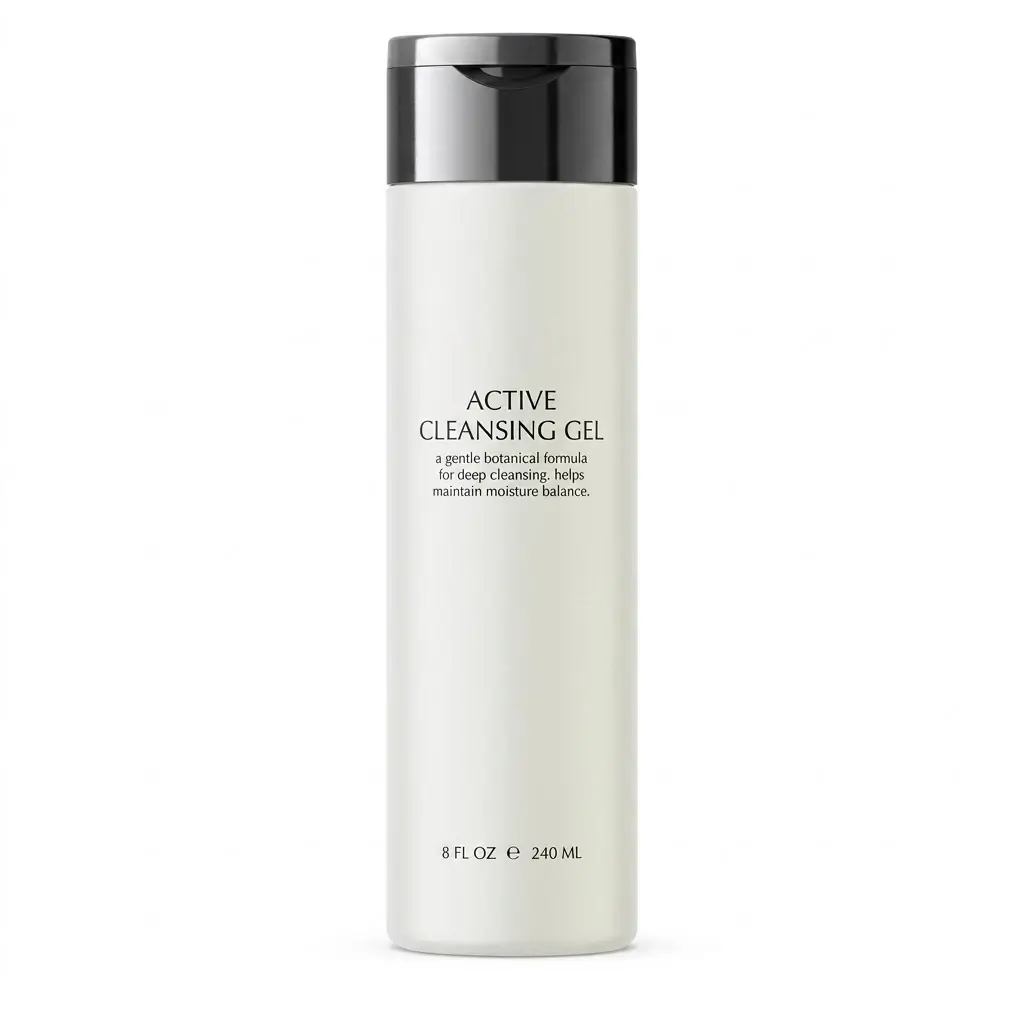
What is a Facial Cleanser OEM?
A Facial Cleanser OEM is a specialized contract manufacturing partner that develops and produces facial washes based on your brand’s unique specifications, brand identity, and performance requirements. Unlike ODM (Original Design Manufacturing), where you buy pre-formulated “off-the-shelf” products, an OEM partnership gives you complete control over custom formulations, active ingredient percentages, texture profiles, and custom packaging configurations.
Choosing the right OEM partner allows skincare brands to leverage industrial R&D infrastructure, cleanroom production lines, and bulk raw material sourcing without investing millions in physical factories.
The Step-by-Step B2B Cleanser Production Workflow
Navigating the production timeline efficiently is critical for maintaining your go-to-market schedule. A professional OEM lifecycle transitions through four distinct structural phases, ensuring stability, compliance, and quality control at every stage.
1.Concept Development & Ingredient Briefing:Phase 1。
Brands define target audience skin types (e.g., acne-prone, sensitive, dry) and select key active ingredients. You determine the core delivery system—such as amino acid surfactants for gentle cleansing or salicylic acid for chemical exfoliation.
2.R&D Formulation & Sample Iteration:Phase 2。
The factory laboratory develops custom prototype samples. Chemists run rigorous stability assessments, ensuring the emulsion does not separate under temperature stress and the pH value remains in the optimal skin-compatible zone (typically pH 5.5 to 6.5).
3.Compliance Certification & Packaging Match:Phase 3。
Once the formulation is locked, documentation is compiled for global compliance registries. Simultaneously, compatibility testing is performed between the bulk bulk liquid and the final packaging material (such as PET bottles, airless pumps, or aluminum tubes).
4.Bulk Batch Processing & Automated Filling:Phase 4。
Production shifts to GMPC-certified cleanrooms. High-shear emulsifying mixers process the formula, followed by automated filling, sealing, and multi-point QA inspections before freight dispatch.
Custom Formulation Matrices: Matching Textures to Target Markets
The modern consumer demands specialized textures. Winning real estate in AI search engine citations and traditional Google SERPs requires demonstrating deep topical authority on these distinct product architecture
When structuring your product line, consider the four dominant market categories below:
| Cleanser Category | Primary Surfactant / Base | Target Skin Concern | Key Active Ingredients |
|---|---|---|---|
| Amino Acid Foam | Sodium Cocoyl Glycinate, Potassium Cocoyl Glycinate | Sensitive & Compromised Barrier | Centella Asiatica, Hyaluronic Acid, Ceramides |
| Salicylic Acid Gel | Cocamidopropyl Betaine, Alkyl Polyglucosides (APGs) | Oily, Acne-Prone Skin | 1-2% Salicylic Acid (BHA), Tea Tree Oil, Niacinamide |
| Hydrating Milk Cream | Glyceryl Stearate, Caprylic/Capric Triglyceride | Mature, Extremely Dry Skin | Squalane, Glycerin, Panthenol (Vitamin B5) |
| Transforming Cleansing Oil | PEG-20 Glyceryl Triisostearate, Plant-Based Oils | Makeup Removal, Double Cleanse | Jojoba Oil, Vitamin E, Sunflower Seed Oil |
The Rise of Amino Acid Surfactants
Traditional cleansers heavily relied on Sodium Lauryl Sulfate (SLS) or Sodium Laureth Sulfate (SLES) due to their low cost and high foam volume. However, modern consumer sentiment has shifted decisively toward barrier-safe cleansing. Leading OEM facilities now utilize premium amino acid-derived surfactants. These molecules match the skin’s natural acidic pH, effectively removing sebum without denaturing stratum corneum proteins or stripping essential lipids.
Global Compliance and Manufacturing Standards
When executing wholesale sourcing, international logistics and trade compliance must be baked into your manufacturing strategy from day one. An experienced OEM provider should operate under strict international regulatory frameworks to guarantee seamless cross-border customs clearance.
Critical Standard Checklist: Ensure your manufacturing facility holds active verifications for ISO 22716 (Cosmetics Good Manufacturing Practices) and GMPC standards. If your target market includes the United States, formulations must comply with the Modernization of Cosmetics Regulation Act (MoCRA). For European distribution, the manufacturer must provide a complete Product Information File (PIF) to support your EU CPNP (Cosmetic Products Notification Portal) registration.
Furthermore, compliance goes beyond certifications to encompass raw material transparency. Your OEM partner must supply:
- MSDS (Material Safety Data Sheets): Essential for shipping logistics and air freight clearance.
- COA (Certificate of Analysis): Delivered with every production batch to verify chemical purity and microbiological safety boundaries.
- Heavy Metal & Microbe Challenge Test Reports: Verifying that total aerobic microbial counts fall well below standard cosmetic thresholds (less than 100 CFU/g for eye/baby products, less than 1000 CFU/g for standard rinse-off products).
Strategic Evaluation: Selecting Your Wholesale OEM Partner
To ensure a highly profitable supply chain, evaluate potential B2B manufacturing partners using three core commercial pillars:
1. Minimum Order Quantity (MOQ) Adaptability
MOQ thresholds directly impact your upfront capital allocation. Standard private label setups may offer low entry points, but custom OEM formulations typically require higher minimums due to industrial mixing tank capacities. Look for a factory capable of scalable tiers—for instance, an MOQ of 3,000 to 5,000 pieces for custom formulations, allowing your brand to remain agile while maintaining low per-unit costs.
2. Comprehensive Turnkey Capabilities
A true turnkey OEM partner handles the entire operational pipeline under one roof. This includes raw material sourcing, packaging procurement, label design compliance check, and custom box manufacturing. Managing separate vendors for your bottles, labels, and bulk formula introduces significant assembly errors and extended lead times.
3. Advanced Packaging Compatibility Testing
Formulations with active botanical extracts, volatile vitamins, or high surfactant loads can interact adversely with inferior plastics. A premium OEM provider will conduct accelerated oven stress tests—storing the filled components at 45°C (113°F) for up to 3 months—to guarantee that the packaging does not leak, crack, or degrade the performance of the formula.
Elevate Your Skincare Brand Realization
Launching a breakthrough product in the competitive skincare sector requires combining cutting-edge science with a bulletproof supply chain. By aligning with an agile, high-standard Facial Cleanser OEM partner, you can transition smoothly from initial laboratory trials to global market dominance. Focus your strategy on gentle surfactant systems, secure your regulatory paperwork early, and design your product matrix around verified consumer demands.