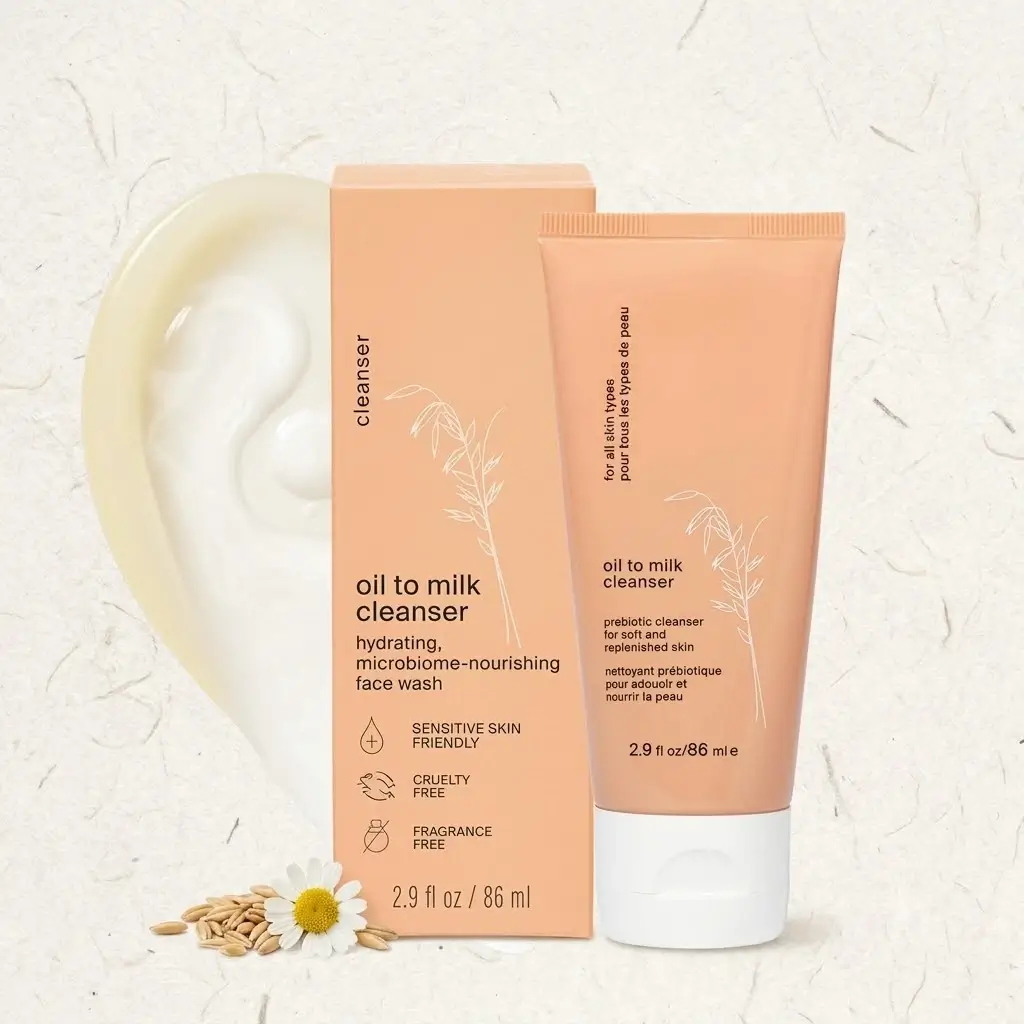
The global face wash and cleanser market is projected to grow from USD 35.4 billion in 2026 to USD 55.4 billion by 2033, expanding at a steady CAGR of 6.6%. As skin barrier health, hydration, and science-backed clinical formulations continue to dominate consumer preferences, brand owners are increasingly leveraging Facial Cleanser OEM (Original Equipment Manufacturer) partnerships to bring high-quality products to market quickly.
Grand View Research
For international cosmetic brands sourcing from leading Asian manufacturing hubs, navigating the contract manufacturing landscape—often searched under the industry designation Facial Cleanser OEM (Facial Cleanser OEM)—requires a deep understanding of formulation chemistry, global compliance, and industrial scale-up.
This comprehensive B2B guide outlines the key formulation trends, step-by-step manufacturing workflows, and partner selection criteria necessary to build a market-winning cleanser.
1. Choosing the Right Cleanser Formulation Base
In 2026, the mainstream skincare narrative has shifted from “harsh problem-solving” to “long-term barrier maintenance.” Consumers actively reject cleansers that leave the skin feeling tight or dry. Consequently, your choice of surfactant base will define your brand’s market positioning.
unicare.com.tw
| Formulation Base | Primary Surfactants Used | Typical pH Range | Ideal Skin Type / Target Market |
|---|---|---|---|
| Amino Acid-Based | Sodium Cocoyl Glycinate, Sodium Lauroyl Glutamate, Potassium Cocoyl Glycinate | 5.5 to 6.5 (Skin-neutral) | Sensitive, dry, and compromised skin barriers. Highly trending in premium clean beauty markets. |
| Soap-Based | Lauric Acid, Myristic Acid, Palmitic Acid + Potassium Hydroxide (KOH) | 8.5 to 9.5 (Alkaline) | Oily or acne-prone skin. Offers dense, rich foam and deep degreasing, popular in warm climates. |
| Sulfate-Free Syndet | Cocamidopropyl Betaine, Decyl Glucoside, Lauryl Glucoside | 5.0 to 6.0 | All-in-one gentle daily cleansers. Highly compatible with eco-friendly and biodegradable claims. |
2. Advanced R&D and Active Ingredient Infusion
Modern buyers look for products that treat the skin while cleansing. During the laboratory formulation phase (R&D), work with your OEM partner to incorporate clinically backed active ingredients that can withstand short contact times on the skin:
Merywood
- Barrier Support: Ceramides, Niacinamide, and Panthenol to prevent trans-epidermal water loss (TEWL). Genext Lab
- Gentle Exfoliation: Salicylic Acid (BHA) for acne-prone formulas, or fruit enzymes (Papain, Bromelain) for brightening dull skin.
- Soothing Agents: Centella Asiatica (Cica) extract, Allantoin, and Bisabolol to calm redness and irritation.
3. The Step-by-Step OEM Manufacturing Workflow
The transition from a laboratory-scale sample to a mass-produced product requires strict process controls. Standardizing this progression is critical to preventing formulation separation, unexpected color shifts, or microbial contamination.
1.Formula Definition & Raw Material Sourcing:Phase 1。
Define the ingredient profile, target cost-of-goods (COGs), and sensory parameters (e.g., jelly, cream, gel-to-foam, or powder). Secure high-grade, compliant raw materials.
2.Lab Sampling & Trial Iteration:Phase 2。
The OEM’s cosmetic chemists synthesize pilot batches (usually 1kg to 5kg). Samples are evaluated for texture, foam height, rinse-off speed, and olfactory profile.
3.Stability & Compatibility Testing:Phase 3: 4 to 12 Weeks。
The formulation is subjected to accelerated heat testing (45°C/113°F), freeze-thaw cycles, and UV exposure to ensure it will not separate or discolor over its shelf life. It is also tested inside the final packaging to ensure no plastic-chemical leaching occurs.
4.Industrial Scale-Up & Homogenization:Phase 4。
The approved formula is scaled up to commercial batches using high-shear emulsifying mixers. Precise temperature control is maintained to properly melt lipids and uniformly disperse thickeners.
5.Automated Filling & Airless Packaging:Phase 5。
Using automated, sterile filling lines, the bulk product is pumped into tubes, bottles, or jars under positive-pressure cleanroom conditions to prevent environmental contamination.
6.Microbiological & QC Clearance:Phase 6。
Every production batch undergoes final quality control checks, including pH calibration, viscosity verification, and microbiological testing (checking for aerobic plate counts, yeast, mold, and pathogens) before being cleared for shipment.
4. Key Factors When Selecting a Facial Cleanser OEM Partner
When vetting a manufacturing facility (commonly marketed under Facial Cleanser OEM services), focus on operational capabilities rather than just price points:
- Certifications: Ensure the facility is certified under ISO 22716 (Good Manufacturing Practices for Cosmetics) and GMPC (US/EU standards). This is non-negotiable for exporting to North America or Europe. ADA Cosmetics
- Aerosol & Foam Tech Capabilities: If you are launching an innovative self-foaming cleanser or an aerosol-based whipped cleanser, verify that the factory has specialized gas-filling or dual-chamber filling machinery.
- Traceability and Sustainability: Choose manufacturers that provide clean, sustainable supply chain documentation. Modern consumers demand fully traceable, vegan, and cruelty-free ingredients.
Would you like to learn about the typical minimum order quantities (MOQs) and cost structures for private-label cleansers?