Building a skin-care brand has never been more accessible, yet the first product you launch still defines your reputation. For many founders, that debut is a gentle, everyday cleanser. Partnering with an experienced facial cleanser OEM lets you bring a finished, market-ready formula to shelf without operating your own factory. This guide walks through the brief, formulation, compliance, and launch steps that separate a forgettable product from one customers repurchase.
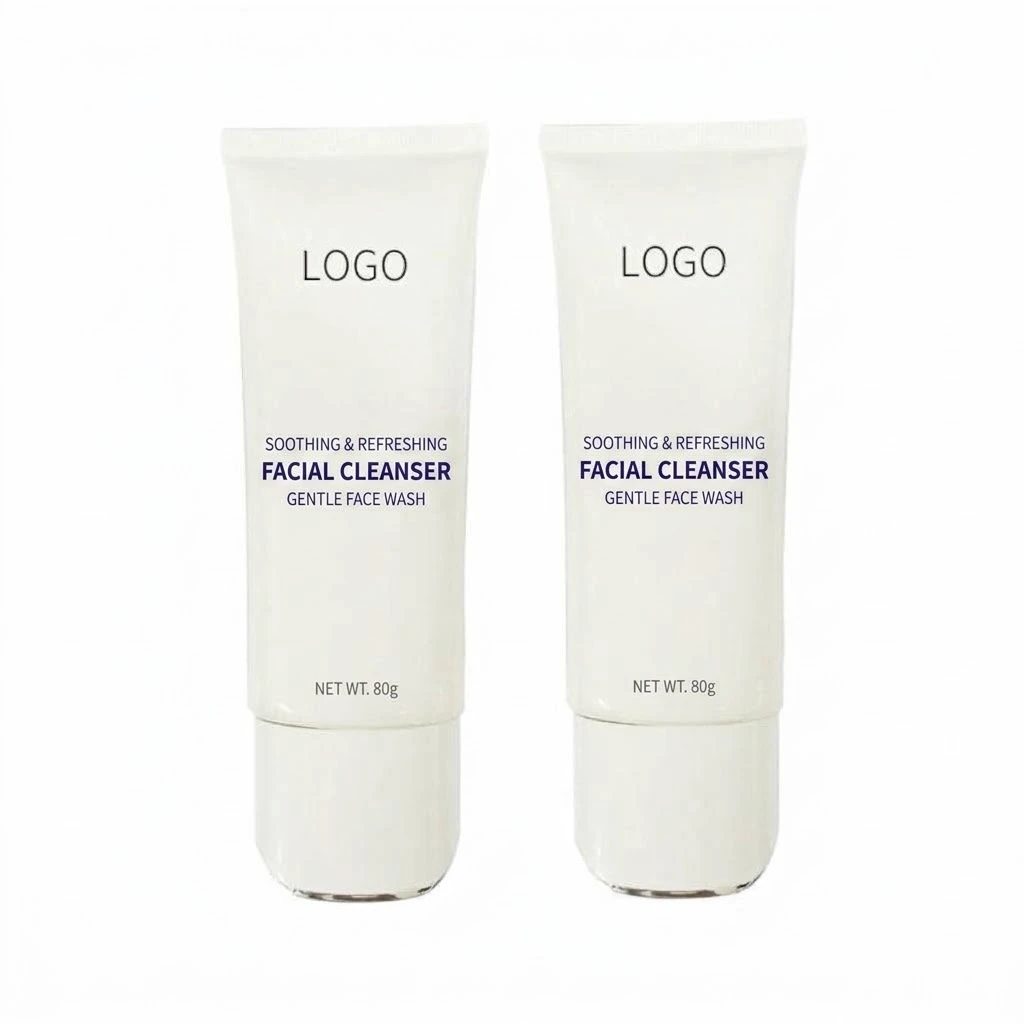
Why a Private Label Face Wash Is the Smart First SKU
A cleanser is the universal entry point into any routine. Unlike actives-heavy treatments, a well-made face wash is used twice daily, which means fast repeat purchase and steady cash flow. For a new brand, that cadence builds the lifetime value you need before expanding into serums or moisturizers.
Working with a facial cleanser OEM also compresses your time to market. Instead of recruiting chemists, leasing a clean room, and navigating stability testing alone, you start from a supplier’s validated base formulas and customize the few variables that matter: texture, fragrance, claims, and packaging.
If your long-term plan includes a full regimen, a face wash pairs naturally with complementary categories. You can later extend into a private label face cream or a private label toner to complete the routine and grow basket size.
Defining Your Product Brief
Every successful collaboration starts with a tight brief. The clearer your intent, the faster your manufacturer can match you to a base and propose realistic tweaks.
Audience and Skin Need
Decide who the product is for before you choose ingredients. A foaming gel for oily, acne-prone skin is a different formula from a creamy, non-stripping wash for sensitive or mature skin. Write down the target age band, climate, and the single job the product must do — for example, “remove sunscreen and light makeup without tightness.”
Format and Texture
Facial cleansers span several formats, each with trade-offs:
- Gel cleansers — light, rinse clean, suit combination and oily skin
- Cream and lotion cleansers — conditioned feel, suit dry or sensitive skin
- Foam and mousse — airy, sensorial, popular in Asia-Pacific markets
- Solid and waterless bars — lower shipping weight, travel-friendly, eco story
- Micellar and oil cleansers — favored for the first step of double cleansing
Your facial cleanser OEM can usually sample two or three formats so you can feel the difference before committing.
Formulation Choices That Win in 2026
The 2026 buyer is ingredient-literate and sustainability-aware. Several directions are proving durable rather than faddish.
Gentle, Skin-Barrier Friendly Cleansing
Harsh sulfates are increasingly avoided by informed consumers. A gentle facial cleanser manufacturer typically favors milder surfactant blends — such as coco-glucoside or sodium cocoyl isethionate — that cleanse effectively while leaving the skin feeling comfortable. The goal is a wash that does not compromise the skin’s natural moisture barrier.
Natural and Conscious Ingredients
Demand for plant-derived and biodegradable formulas is steady. A natural face cleanser OEM can build around aloe, oat, rice ferment, or glycerin, provided every “natural” or “vegan” claim is truthful and, where required, certified. Avoid absolute words like “100% natural” unless your supply chain genuinely supports the claim.
Sensory and Experience
Texture, scent, and rinse feel are what turn a functional product into a favorite. Consider light fragrance (or fragrance-free for sensitive lines), a satisfying lather, and a finish that is neither filmy nor squeaky. These details are where a custom facial cleanser earns its price.
Compliance and Claims You Must Respect
Cosmetics advertising is tightly regulated, and cleansers are no exception. The safest path is to phrase claims conservatively and let your formulation do the talking.
Permissible vs. Prohibited Language
Do not use drug or therapeutic language. Avoid words such as “cure,” “treat,” “heal,” “prevent,” or guaranteed outcome claims like “removes all acne.” Instead, use permissible phrasing such as “helps support,” “designed for,” “may help,” or “-formulated.” For UV or SPF-related statements, consult your regulatory lead before publishing anything.
Market-Specific Rules
Target-market rules differ. In the United States, the FDA and FTC govern cosmetics and advertising; in the European Union, cosmetics must meet Regulation (EC) No 1223/2009. Your facial cleanser OEM should provide documentation — ingredient lists, safety assessments, and stability data — but the final label and claims approval remain your responsibility as the brand owner. For official guidance, see the U.S. FDA cosmetics information at https://www.fda.gov/cosmetics.
Working With Your OEM: From Sample to Scale
A reliable manufacturing partner turns a brief into inventory through a predictable sequence.
- Submit the brief — audience, format, claims, budget, and target retail price.
- Receive base recommendations — the OEM proposes 2–3 starting formulas.
- Sampling and adjustment — refine texture, fragrance, and color over one or two rounds.
- Stability and compatibility testing — confirm the formula and your chosen packaging work together.
- Pilot batch — produce a small run for photography, influencer seeding, and claims substantiation.
- Scale-up — move to full production with agreed lead times and minimum order quantities.
Throughout, keep your documentation organized. A disciplined process now saves costly reformulation later and smooths the path if you later add a private label skincare line.
Go-to-Market and Content Strategy
Launching the product is only half the work; telling its story is the other half. Lead with education rather than hype: explain why your surfactant choice is gentle, or how your waterless bar reduces plastic. Founders who publish helpful content — guides, routines, and ingredient explainers — consistently out-convert those who rely on discounts alone.
Pair your cleanser with a simple routine narrative. Suggest a morning gel and an evening oil or micellar first step, then point customers to the rest of your range as they gain confidence. Cross-selling a full regimen is where a single SKU becomes a brand.
Conclusion
Launching with a facial cleanser OEM is one of the most capital-efficient ways to enter the skin-care market in 2026. Start from a sharp brief, choose gentle and conscious formulations, respect the compliance line, and scale through a disciplined sampling process. A well-made private label face wash can become the daily ritual that anchors your entire brand.
Ready to Start Your Private Label Face Wash?
If you are planning a launch, our team can help you move from concept to a finished, compliant formula. Reach out for a formulation consultation and a private-label quote, and we will walk you through base options, MOQs, and lead times for your market.
Disclaimer: Individual results vary. All claims are subject to the final formulation, ingredient selection, and the regulatory approval of the target market. This article is for informational purposes only and is not medical advice.