The facial cleanser category is quietly becoming one of the most competitive shelves in the global skincare market. Shoppers are reading ingredient lists, asking about surfactants, and trading harsh “squeaky clean” routines for gentler, barrier-friendly alternatives. For brand owners and emerging labels, this shift is an opening—not a threat. A capable facial cleanser OEM lets you launch a differentiated cleanser without owning a factory, hiring a formulation team, or committing to six-figure tooling. In 2026, the winning plays are clear: clean-label transparency, sulfate-free systems, and flexible order quantities that let small brands test the market before scaling.
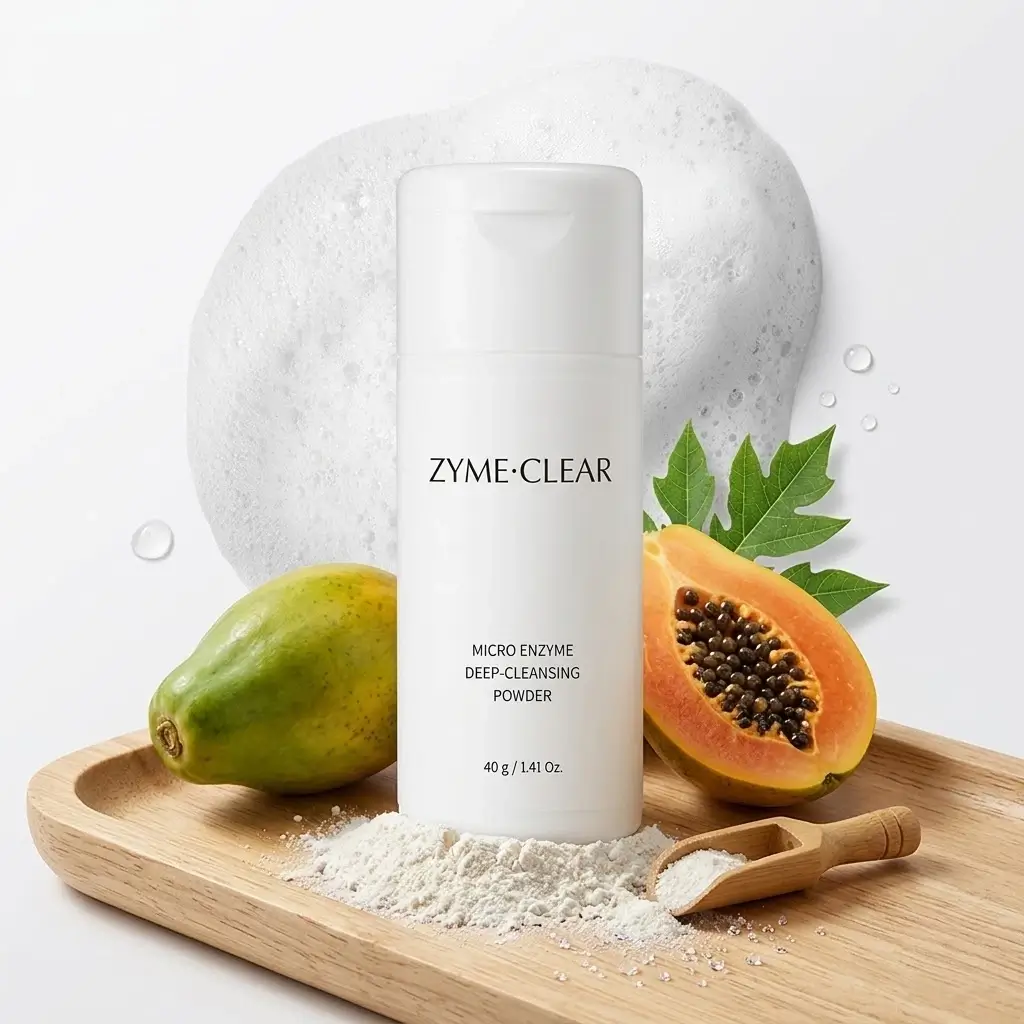
Why facial cleanser OEM Matters in 2026
Cleansing is the first step of almost every routine, which makes it the highest-frequency repurchase in a regimen. That frequency is exactly why a facial cleanser OEM partnership is strategically valuable: a great cleanser pulls customers into your brand, and the repurchase cadence builds lifetime value.
Three forces are reshaping demand this year. First, “sulfate free” has moved from a niche claim to a mainstream expectation. Many buyers now ask specifically for a sulfate free facial cleanser OEM option because they associate harsh sulfates with tightness and irritation. Second, the “skin barrier” conversation has gone mainstream, pushing formulators toward mild amphoteric and non-ionic surfactants and creamy, conditioning textures. Third, the rise of micro-brands and creator-led labels means the old “minimum 50,000 units” barrier is no longer the only path—flexible manufacturing now supports credible launches at far smaller volumes.
For a brand, the implication is simple: the cleanser you launch today is both a standalone product and a gateway into your wider line. Picking the right OEM and the right formulation early saves months of rework later.
How to Choose the Right Formulation
Selecting a cleanser base is less about chasing trends and more about matching texture, claims, and skin feel to your target audience. Here is a practical way to frame the decision.
Foaming vs gel cleanser: match the texture to the promise
One of the most common briefs we see is a debate between foaming vs gel cleanser formats. Neither is “better”—they serve different promises:
- Gel cleansers read as light, fresh, and rinse-clean. They suit normal-to-combination skin and brands that want a weightless, everyday feel.
- Foaming cleansers deliver a satisfying lather and a perception of deep cleansing. With the right mild surfactant blend, they can feel airy without stripping.
- Cream / lotion cleansers lean nourishing and are often positioned for drier or sensitive skin.
The format also drives packaging: a gel may use a pump or tube, while a foaming formula often pairs with a press-pump airless bottle. Your facial cleanser OEM should advise on viscosity, preservative system, and package compatibility together—not as separate decisions.
Build around a gentle, defensible surfactant system
If “sulfate free” is part of your positioning, the work is in the surfactant stack. Mild blends—such as coco-glucoside, decyl glucoside, or sodium cocoyl isethionate—can deliver a pleasant cleanse without the tight-afterfeel some buyers dislike. The trade-off is usually cost and foam profile, which is why formulation expertise matters more than a single hero ingredient.
Keep the claim set honest and substantiated
Efficacy language should stay measured. Phrases like “helps maintain a comfortable cleanse” or “supports a balanced feel” are both marketable and defensible. Avoid absolute or therapeutic wording, and let your OEM document the substantiation behind any claim you plan to print on the pack.
OEM Production Considerations (MOQ, Lead Time, Compliance)
The operational side is where a low MOQ cleanser manufacturer model changes the math for new brands.
Minimum order quantity and scale path
Traditional contract manufacturing often demanded large first orders. Today, many OEM lines support pilot runs that let you validate packaging, fragrance, and shelf appeal before committing to a full production cycle. A sensible path is: small pilot → market test → reorder at a higher volume with the same approved formula. This de-risks launch capital and shortens the feedback loop.
Lead time and sampling
Expect a realistic timeline that includes formula sampling, stability testing, packaging sourcing, and filling. Rushing any of these steps is how batches with separation or fragrance drift happen. Build buffer into your launch calendar, and confirm whether your OEM runs stability and compatibility checks in-house or via a partner lab.
Compliance and market fit
Cleansers are cosmetics, and claims must follow the rules in each target market—FDA guidelines in the United States and the EU Cosmetics Regulation in Europe, among others. Your OEM should be able to confirm that the formula, preservative system, and labeling approach are appropriate for your intended regions. Remember: as a B2B/private-label service, the goal is a compliant, market-ready product—not a therapeutic one.
Where a full-line partner helps
A cleanser rarely sells alone. Many brands extend into moisturizers and masks to complete the routine. A skincare OEM factory can help you plan a coordinated regimen, while a face cream OEM partner supports the moisturizer step and a facial mask OEM line rounds out the weekly treatment. Sourcing related categories from aligned manufacturers keeps your texture story and quality bar consistent.
Common Mistakes to Avoid
A few recurring missteps are easy to prevent:
- Chasing the lowest price per unit over formula quality. A cheap surfactant system can undermine the “gentle” promise your brand is built on.
- Skipping stability testing. Heat/cold cycling and compatibility with the chosen package are not optional—they protect your reputation after launch.
- Over-claiming on the label. Therapeutic or absolute language invites regulatory risk and erodes trust.
- Ignoring the rinse experience. Feel, scent, and residue after rinsing are what drive repurchase more than the hero ingredient on the front.
- Locking a huge first order before validation. Use a low MOQ cleanser manufacturer option to learn with the market, then scale.
Conclusion
A thoughtful facial cleanser OEM partnership turns a crowded category into a brand-building opportunity. By leading with a sulfate-free, skin-friendly formulation, choosing the right foaming vs gel texture, and scaling through flexible MOQ, you can launch a cleanser that earns the first step of the routine—and the repurchase that follows. The brands that win in 2026 will pair clean-label positioning with operational discipline: tested formulas, honest claims, and a manufacturing partner aligned to their growth stage.
Contact our facial cleanser OEM specialists for a custom formulation quote.
This article is provided as B2B / OEM private-label manufacturing information. All product descriptions are general and must be verified against the actual formula, stability data, and applicable regulations (FDA, EU Cosmetics Regulation, etc.). Nothing herein constitutes a medical, therapeutic, or treatment claim.