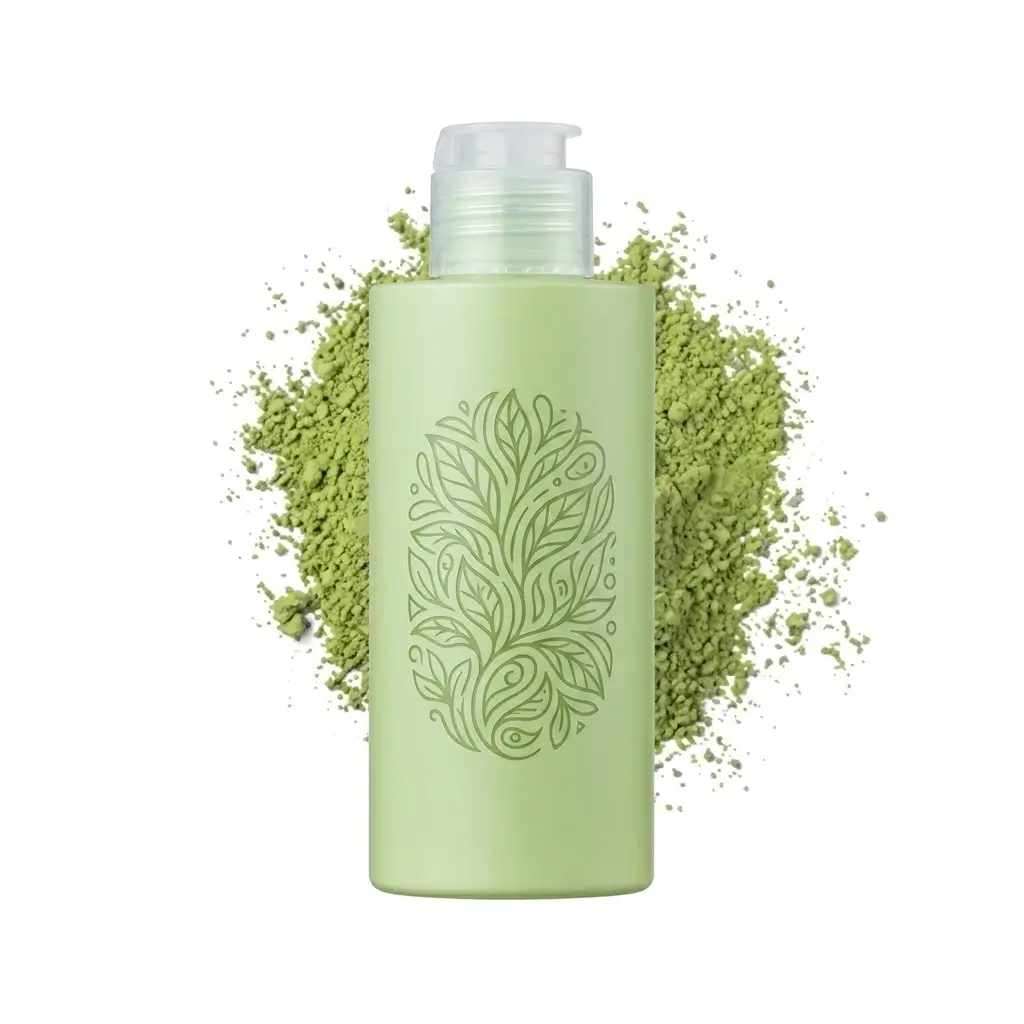
Launching a private label face wash line built around vegan positioning is one of the most practical entry points for a new skincare brand in 2026. Buyers increasingly ask for plant-based, cruelty-free cleansing formats, yet the path from concept to a compliant, market-ready product involves real formulation and regulatory decisions. In this guide we walk brand founders, cosmetics buyers, and private-label startups through the formulation fundamentals, manufacturing flexibility, and compliance essentials of building a vegan face wash under an OEM/ODM model.
What Defines a Vegan Face Wash OEM Formulation
A credible vegan face wash OEM formulation starts with a clear definition: no ingredient of animal origin and no animal-derived processing aids at any stage of production. That sounds simple, but it touches surfactants, emulsifiers, conditioning agents, and even colorants. Many standard cleanser bases rely on ingredients such as certain glycerin (animal-sourced), beeswax, lanolin, or silk peptides — all of which must be substituted or verified as plant-derived.
Ingredient selection for vegan claims
When we build a vegan cleanser base, the surfactant system is the first decision. Gentle, plant-derived surfactants such as coco-glucoside, sodium cocoyl isethionate, and decyl glucoside are common starting points because they are biodegradable and generally well tolerated. The conditioning layer — what makes the skin feel soft after rinsing — can be supported with vegetable-derived esters and mild polyglycerol compounds rather than animal lipids.
Equally important is the supply-chain paper trail. A vegan claim is only as strong as the documentation behind it. We work with suppliers who can issue certificates of origin and, where relevant, vegan statements confirming that both the material and its processing aids are free from animal content.
Texturizing without animal-derived additives
Vegan face washes can be delivered in foam, gel, or cream textures without compromising the sensory experience. The trick is matching the thickener and rheology modifier to the surfactant system. Plant-derived gums, cellulose derivatives, and carefully balanced electrolyte levels let us build a satisfying gel or lotion base. The goal is a product that feels premium in the hand and rinses clean — attributes that matter far more to repeat purchase than any single “free-from” badge.
Why Work With a Low MOQ Facial Cleanser Manufacturer
Inventory risk is the single biggest barrier for new brands, which is why partnering with a low MOQ facial cleanser manufacturer changes the math for a launch. Smaller minimum order quantities let a founder validate a formula, a scent, and a package on a real market before committing to a full production run.
MOQ flexibility for new brands
A flexible manufacturer structures its batches so that pilot runs, market-test sizes, and reorder quantities all sit on a sensible curve. For a face wash, that might mean starting with a few hundred units of a single SKU, then scaling as sell-through data arrives. This protects cash flow and limits the risk of holding obsolete stock if a fragrance or claims direction needs adjustment.
Scale-up path from pilot to bulk
The MOQ conversation should always include the scale-up path. A good OEM partner designs the formula at pilot scale so that it translates cleanly to bulk production without a reformulation step. That means documenting the process, locking raw-material specifications, and validating stability early. When the brand is ready to move from hundreds to tens of thousands of units, the transition is mechanical rather than creative — which keeps lead times predictable.
Brands that later expand into adjacent formats can also coordinate a multi-category launch. Many of our partners who start with a cleanser later add a complementary private label face cream from our sister facility at https://www.facecreamfactory.com, or build out a toner step with a private label toner specialist at https://tonermanufacturer.com, creating a coherent regimen under one sourcing relationship.
Private Label Face Wash: Foam, Gel, and Cream Formats
Choosing the base format is a commercial decision as much as a formulation one. A private label face wash can be delivered as a foaming wash, a clear or pearlized gel, or a cream-to-foam cleanser, and each format signals something different to the shopper.
Choosing the right base
Foaming washes suit normal-to-oily skin positioning and feel light and refreshing. Gel cleansers are versatile and easy to fragrance, making them a safe default for first launches. Cream and milk textures read as gentle and are often positioned for drier or sensitivity-prone routines. The format also drives packaging: a foaming wash needs a pump or a foamer bottle, while a gel works in a tube or a jar. Packaging compatibility should be confirmed during formula development, not after.
Customization options
Beyond texture, a vegan cleanser can be customized on several axes: surfactant mildness, viscosity, fragrance (including fragrance-free), color (including naturally derived or uncolored), and add-in story ingredients such as botanical extracts or mild chelators. We treat these as modular choices so a brand can differentiate without reinventing the base chemistry. For founders exploring a wider catalog, our private label skincare manufacturer partners at https://www.skincarefactoryoem.com support serums and creams that pair naturally with a cleanser-led launch.
Compliance Essentials for Vegan Private-Label Cleansers
Compliance is where a vegan claim either holds up or falls apart, so it deserves attention before any marketing copy is written.
Vegan certification and documentation
A vegan claim should rest on verifiable documentation, not assumption. Depending on the target market and retail channel, brands may pursue third-party vegan certification, or they may rely on supplier declarations and an internal standard. Either way, the manufacturer’s role is to maintain batch records, raw-material specifications, and supplier statements that support the claim consistently across every lot.
Market-specific labeling rules
Labeling rules differ by region. The EU approach under the Cosmetic Regulation, the U.S. FDA cosmetic framework, and other national regimes each treat claims, ingredient naming, and responsible-person requirements differently. A cleanser “formulated to” be suitable for a vegan routine in one market may need different substantiation or wording in another. We advise brand owners to confirm claims against their specific destination market early, because retrofitting compliance after launch is far more costly than building it in.
Why Partner With a Facial Cleanser OEM-ODM Manufacturing Factory
As a Facial Cleanser OEM-ODM Manufacturing factory, our role is to turn a brand’s brief into a stable, manufacturable, and compliant product. That means formulation support from concept through pilot, documented quality systems aligned with ISO 22716 good manufacturing practice, flexible batch sizes for new and growing brands, and clear documentation to back every claim we help build. We do not sell finished goods under our own consumer brand; we manufacture for brand owners who own the marketing, the claims, and the customer relationship.
Start Your Private-Label Line
If you are ready to explore a vegan cleanser, the next step is a formulation conversation. Request a formulation quote or download our OEM brochure to see base options, MOQ tiers, and lead times. You can also review our private label face mask capabilities at https://maskoem.com for a regimen extension, or reach the factory directly through our private label face wash page at https://facialcleanseroem.com to start your brief.
Compliance note: This article is published by an OEM/ODM manufacturer for informational purposes. All product claims, labeling, and marketing copy are the responsibility of the brand owner and must comply with the regulations of the target market (e.g., FDA, EU Cosmetic Regulation 1223/2009, ISO 22716). No medical or therapeutic claims are intended.
【待人工审核后发布】