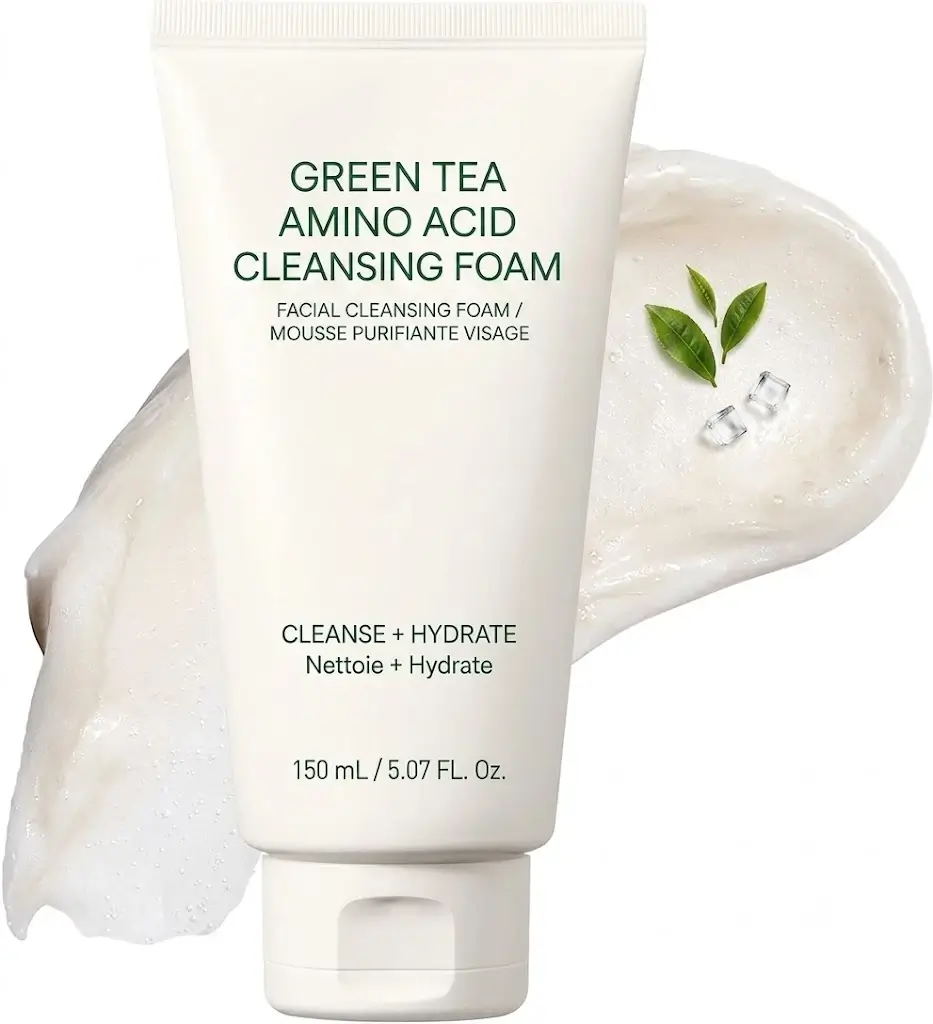
With the global skincare market expanding, launching a signature cleanser is one of the most profitable entry points for beauty brands. Utilizing facial cleanser OEM (Original Equipment Manufacturer) services allows brands to leverage professional manufacturing capabilities, advanced R&D, and cost-effective production without investing in expensive factory infrastructure.
Below is a comprehensive guide on how facial cleanser OEM works, current formulation trends, and the critical steps to launch a compliant, market-ready product.
Understanding Facial Cleanser OEM
Facial cleanser OEM is a manufacturing partnership where a cosmetics factory formulates, produces, and packages cleansers according to a brand’s specific requirements. The brand then markets and sells these
Unlike ODM (Original Design Manufacturer) — which offers pre-made, off-the-shelf formulations — OEM focuses on bespoke customization. Brands can customize active ingredients, scent profiles, viscosity, and packaging to align with their target market.
The Step-by-Step Facial Cleanser OEM Process
To launch a high-performing cleanser, brands must navigate a structured development cycle. Order of execution is critical here, as formulation approval and stability testing must occur before purchasing bulk packaging.
1.Concept & Formulation R&D:
The brand outlines its target audience, price point, and desired texture (e.g., amino acid-based, salicylic acid exfoliating). OEM chemists develop custom lab samples for viscosity, foam density, and skin feel testing.
2.Stability & Compatibility Testing:
The approved formulation undergoes rigorous testing — including freeze-thaw cycles, high-temperature stability, and packaging compatibility — to ensure the cleanser doesn’t separate, discolor, or degrade over time.
3.Regulatory Compliance & Certification:
The product is submitted to relevant regulatory bodies (such as FDA, CPNP, or local cosmetics authorities) for safety assessments, heavy metal testing, and microbiological checks to clear it for legal sale.
4.Mass Production & Quality Control:
Once approved, the formulation enters bulk mixing and emulsification. Automated filling lines package the cleanser into bottles, tubes, or jars under strict GMP (Good Manufacturing Practice) standards.
Trending Formulations in the Cleanser Market
When partnering with a facial cleanser OEM, selecting the right base formulation is critical. Consumers are increasingly moving away from harsh sulfates and looking for gentle, skin-barrier-supporting alternatives.
| Cleanser Type | Key Active Ingredients | Target Skin Type / Audience | Primary Benefit |
|---|---|---|---|
| Amino Acid Cleanser | Sodium Cocoyl Glycinate, Glutamate | Sensitive and Dry Skin | Non-stripping, skin-matching pH |
| Salicylic Acid (BHA) Gel | 1% to 2% Salicylic Acid, Tea Tree Oil | Acne-Prone and Oily Skin | Deep pore exfoliation, sebum control |
| Cream-to-Foam Cleanser | Ceramides, Hyaluronic Acid | Normal to Dry Skin | Deep cleansing with intense hydration |
| Enzyme Powder Wash | Papain, Bromelain, Rice Starch | Dull, Uneven Skin | Gentle physical & enzymatic exfoliation |
Key Factors for Choosing an OEM Partner
Choosing the right manufacturing facility determines your product’s quality and your brand’s reputation. Focus on these three pillars:
- Certifications & Compliance: Ensure the factory is GMPC (Good Manufacturing Practice for Cosmetics) and ISO 22716 certified. This guarantees traceable raw materials and cleanroom-grade production environments.
- Formulation Innovation: A top-tier OEM should have a strong, in-house R&D team capable of formulating trendy textures (like jelly-to-milk or foaming powders) and sourcing patented bio-actives.
- Minimum Order Quantities (MOQ): For startup brands, a flexible OEM with lower MOQs (typically 3,000 to 5,000 units) reduces initial capital risk.
Facial Cleanser OEM FAQs
What is the typical lead time for a facial cleanser OEM project? The standard lead time is 3 to 4 months for new custom formulations. This includes R&D sampling, stability testing (which requires 30 to 45 days), packaging sourcing, regulatory filing, and final mass production.
Why are amino acid facial cleansers popular in OEM production? Amino acid surfactants (like sodium lauroyl sarcosinate or sodium cocoyl glycinate) match the natural pH of human skin. Unlike sulfates (SLS/SLES), they cleanse thoroughly without stripping the skin barrier, making them highly marketable for “gentle” and “barrier repair” skincare trends.
What is the difference between OEM and ODM in cleanser manufacturing? OEM (Original Equipment Manufacturer) involves custom-making a cleanser based on the brand’s unique formulation and design specifications. ODM (Original Design Manufacturer) offers pre-formulated, pre-packaged “white label” options that require minimal customization, allowing for faster market entry but less brand differentiation.